How to Overwinter Mountain laurel
1
Mountain laurel is resilient and tolerates low temperatures, but optimal care enhances its vitality and look.
2
Applying mulch around the base of Mountain laurel plants aids in moisture retention and stabilizes soil temperature.
3
Trimming your Mountain laurel prior to winter promotes fresh growth in the spring.
Understanding Mountain laurel Winter Needs
Understanding Mountain laurel Winter Needs
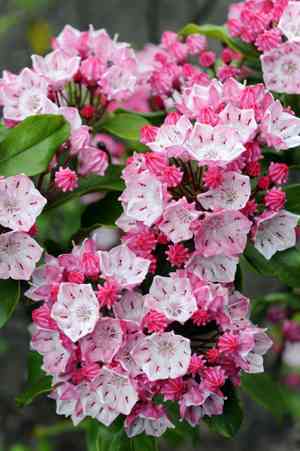
The Mountain laurel (Kalmia latifolia) is a beautiful evergreen shrub that graces many North American gardens. Known for its striking blooms and glossy green leaves, this hardy plant can withstand cold winters if cared for properly. Understanding its winter needs is essential for ensuring that it not only survives but thrives during the colder months. Mountain laurel naturally grows in wooded, mountainous regions, so it is well-adapted to endure frost and cold weather. However, additional protection from extreme conditions can help it maintain its health and appearance.
Preparing Mountain laurel for Winter
When to Start Preparing Mountain laurel
The best time to start preparing your Mountain laurel for winter is in the fall, around late October to early November. This gives the plant enough time to adjust before the first frosts hit. Ensure you complete all preparations before the consistent drop in temperature, typically marked by nighttime temperatures reaching around 7°C (45°F).
Soil and Mulching Requirements
Proper soil preparation and mulching are crucial for protecting the roots of Mountain laurel during winter. Use a mulch layer about 5-10 cm (2-4 inches) thick to cover the base of the plant, which helps retain soil moisture and keeps the temperature consistent. Materials like shredded leaves, pine needles, or bark mulch are excellent choices. For best results, extend the mulch out to the drip line of the branches.
Pruning Instructions for Winter
Pruning Mountain laurel before winter is essential for encouraging healthy growth in the spring. Begin by removing any dead, diseased, or damaged branches. This opens up the plant, reducing the risk of snow and ice damage. Cut back overgrown branches to maintain a balanced shape, but avoid heavy pruning, which can stress the plant. Generally, prune lightly, leaving the structural framework intact.
Common Winter Issues for Mountain laurel
Managing Frost Damage
Frost damage is common in Mountain laurel during early spring or late fall when unexpected cold snaps occur. If you notice frosted leaves or flowers, refrain from pruning immediately. Wait until all risk of frost has passed to assess the full extent of the damage. Often, the affected areas will naturally recover as the weather warms.
Dealing with Dry Winter Winds
Dry winter winds can desiccate the leaves of Mountain laurel, leading to browning and leaf drop. To mitigate this, consider placing a windbreak, such as a burlap screen, on the windward side of the plant. Additionally, water the plant deeply before the ground freezes to ensure the roots have ample moisture.
Post-Winter Care for Mountain laurel
Assessing Winter Damage
Once the winter season has passed, carefully inspect your Mountain laurel for any signs of damage. Look for broken branches, frost-damaged leaves, or signs of disease. Remove any dead or damaged parts to promote new growth. Inspection can often reveal issues that might have been overlooked during the winter months.
Reviving and Nurturing Mountain laurel in Spring
As spring arrives, begin nurturing your Mountain laurel back to full health. Start by feeding it with a balanced, slow-release fertilizer to encourage new growth. Ensure it receives adequate water, especially as new buds begin to swell. Prune any remaining damaged branches and shape the shrub to promote a healthy structure. With proper care, your Mountain laurel will return to its lush, vibrant self by late spring.



