How to Overwinter Chocolate soldier
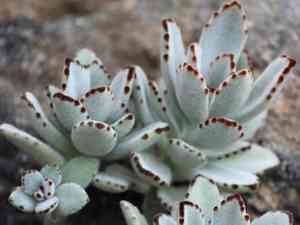
1
Chocolate soldier is a delicate succulent and is intolerant of freezing temperatures.
2
Make sure your Chocolate soldier receives 6 to 8 hours of ample, diffused light in the colder months.
3
Excessive watering is a frequent problem in winter; allow the soil to become arid between irrigations.
Why Overwinter Chocolate soldier Plants?
Why Overwinter Chocolate soldier Plants?
The Chocolate soldier, recognized for its soft, hairy leaves and appealing look, is a delicate succulent that cannot withstand frost. This plant originates from Madagascar, indicating its preference for warm climates. Bringing your Chocolate soldier indoors for winter guarantees its survival through cold months and its continued contribution of beauty and greenery to your home. Proper winter care can prevent common problems like leaf shedding and pest infestations.
Preparing Chocolate soldier for Winter
Inspect and Clean the Plant
Prior to moving your Chocolate soldier indoors for the colder season, thoroughly check it for pests and diseases. Look for any indications of mealybugs, aphids, or spider mites. Gently wipe the leaves with a damp cloth to remove dust and any potential pests. This action will help ensure your plant stays healthy throughout its indoor period.
Repot if Necessary
If your Chocolate soldier has become too large for its container or if the soil is compacted, consider repotting it before winter arrives. Select a pot that is slightly bigger than the current one and use a well-draining succulent mix. Repotting ensures the plant has ample space to grow and that its roots are healthy and well-aerated.
Ideal Indoor Conditions for Chocolate soldier
Light Requirements
Chocolate soldier plants need bright, indirect illumination to flourish, especially during the winter. Position your plant near a south-facing window where it can receive 6 to 8 hours of light daily. If natural light is insufficient, consider using a grow light to meet its needs.
Temperature and Humidity
The optimal temperature range for Chocolate soldier plants in winter is between 15°C to 24°C (59°F to 75°F). Make sure the plant is not exposed to drafts or sudden temperature fluctuations. Maintain a humidity level of approximately 40-50%. If needed, use a humidity tray or a humidifier to sustain ideal conditions.
Watering and Feeding During Winter
How Often Should You Water Chocolate soldier?
During winter, Chocolate soldier plants enter a dormant phase and require less water. Water thoroughly but infrequently, allowing the soil to completely dry out between waterings. Typically, watering once every three to four weeks is adequate. Overwatering can lead to root rot, so it's vital to lean towards underwatering.
Should You Fertilize Chocolate soldier in Winter?
Generally, it is not necessary to fertilize Chocolate soldier plants during winter. They are in a resting state and do not require additional nutrients. If you choose to fertilize, use a diluted, balanced fertilizer solution and apply sparingly.
Common Issues During Overwintering
Pest Control
Indoor environments can sometimes lead to pest problems. Regularly inspect your Chocolate soldier for signs of pests such as mealybugs or spider mites. If detected, treat the plant with insecticidal soap or neem oil, following the product instructions.
Dealing with Leaf Drop
Leaf drop can occur if your Chocolate soldier is stressed due to improper care. Ensure it receives adequate light, avoid overwatering, and maintain stable temperatures. If leaf drop occurs, re-evaluate the plant's conditions and make necessary adjustments.



