How to Overwinter Eastern red cedar
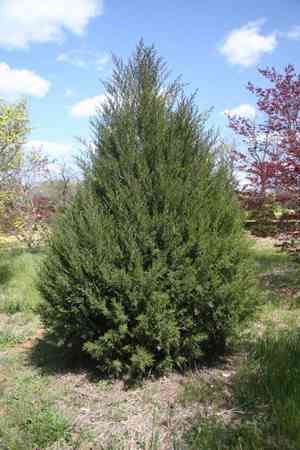
1
Eastern red cedar tolerates frost well, enduring very low temperatures.
2
Proper soil conditioning and irrigation are vital for Eastern red cedar's winter survival.
3
Frequent checks aid in detecting and alleviating winter-related stress and infestations.
Winterizing Eastern red cedar
Winterizing Eastern red cedar
As temperatures fall, it's vital to ensure your Eastern red cedar is ready for winter. Start by clearing the area around the tree, removing fallen leaves and debris to deter pests. Then, apply a thick layer of mulchâaround 5-7 centimeters (2-3 inches)âat the base to insulate roots and hold moisture. This simple step greatly helps protect the tree from harsh winter weather.
Optimal Overwintering Conditions for Eastern red cedar
Soil Preparation
Soil is crucial for your Eastern red cedar's winter health. Ensure the soil drains well, as soggy conditions can cause root rot. Consider adding sand or gravel if your soil retains water. An ideal pH for Eastern red cedar is 6.0 to 7.5. Testing and adjusting soil pH can boost the tree's winter hardiness.
Watering Requirements
Despite its toughness, an Eastern red cedar requires sufficient watering before the ground freezes. Deep watering in late autumn helps the tree stay hydrated through winter. Aim for about 20 liters (5 gallons) for young trees, ensuring water reaches deep roots. Mature trees may need more, up to 80 liters (20 gallons). After this initial deep watering, avoid overwatering to prevent root rot.
Monitoring Eastern red cedar Health in Winter
Signs of Distress
Early detection of distress can save your Eastern red cedar. Look for discolored needles, especially brown or yellow, which suggest dehydration or nutrient deficiency. Other indicators include unusual bark, needle drop, or reduced vitality. If you observe these, take corrective steps like watering during warm periods or adjusting soil nutrients.
Routine Inspections
Regular inspections are essential for keeping your Eastern red cedar healthy in winter. Check every two weeks for physical damage, pest signs, or disease symptoms. Use a magnifying glass to spot small pests or fungal spores. Prompt action on any issues can prevent minor problems from becoming major threats.



