How to Overwinter Rocky mountain juniper
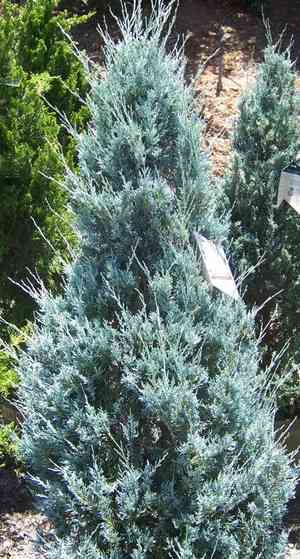
1
Make sure your Rocky mountain juniper gets enough water prior to the initial frost.
2
Apply approximately 2 to 3 inches (5-7.6 cm) of mulch to insulate its root system.
3
Shield your Rocky mountain juniper from severe winter gusts by employing wind barriers.
Is Rocky mountain juniper Frost Hardy?
Is Rocky mountain juniper Frost Hardy?
Indeed, Rocky mountain juniper (Juniperus scopulorum) exhibits strong frost tolerance. It thrives in cold environments, making it an excellent selection for numerous regions prone to severe winters. This robust evergreen can endure freezing temperatures, but to maintain its health and vitality throughout the colder months, it still requires some attention and preparation.
Preparing Rocky mountain juniper for Winter
Watering Needs Before Winter
Prior to the ground freezing, it's essential to thoroughly water your Rocky mountain juniper. This ensures the plant is adequately hydrated as it enters winter, since it cannot absorb water once the soil is frozen. Aim for a deep watering, approximately 1-2 inches (2.5-5 cm) of water weekly, during autumn. This will help the roots store enough moisture to survive the cold season.
Mulching to Protect Roots
Applying mulch is a crucial step in safeguarding the roots of your Rocky mountain juniper during winter. Use about 2 to 3 inches (5-7.6 cm) of organic mulch, such as wood chips or compost. Distribute the mulch evenly around the plant's base, extending to its drip line. This will help insulate the roots and maintain a more consistent soil temperature, preventing damage from frost heave.
Pruning Tips for Cold Weather
Pruning your Rocky mountain juniper before winter helps lessen the risk of snow damage and promotes vigorous growth. Remove any dead or diseased branches and thin out the plant to enhance air circulation. However, avoid extensive pruning in late fall, as this can stimulate new growth that is susceptible to frost damage.
Winter Shelter for Rocky mountain juniper
Utilizing Burlap Wrapping
Burlap wrapping is an effective method to shield your Rocky mountain juniper from winter winds and desiccation. Simply wrap a piece of burlap loosely around the plant, securing it with twine. This creates a windbreak and reduces moisture loss. Ensure the entire plant is wrapped, but allow some space for air circulation to prevent mold and mildew.
Using Windbreaks for Protection
If your Rocky mountain juniper is situated in an exposed area, consider erecting a windbreak. You can construct a simple windbreak using stakes and burlap or fabric. Position the windbreak on the side of the plant facing the prevailing wind to protect it from the harshest gusts. This will help reduce wind stress and prevent winter burn.
Common Winter Issues for Rocky mountain juniper
Preventing Winter Burn
Winter burn is a frequent problem for evergreens, including Rocky mountain juniper. It occurs when the plant loses moisture faster than it can be replenished, often due to cold, dry winds. To prevent winter burn, ensure your plant is well-watered before winter, use mulching to retain soil moisture, and consider an anti-desiccant spray as an additional protective measure.
Addressing Snow and Ice Damage
Heavy snow and ice can cause branches of your Rocky mountain juniper to bend or break. To mitigate this, gently brush off accumulated snow after each snowfall, using a broom or your hands. Avoid shaking the plant, as this can cause more damage. Additionally, consider using stakes or ties to support young or fragile branches before winter storms hit.



