How to Overwinter Creeping juniper
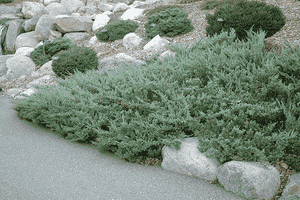
1
Creeping juniper withstands temperatures down to -40°C (-40°F).
2
Confirm Creeping juniper is well-watered prior to the initial severe frost.
3
Applying mulch aids in safeguarding the root structure from harsh temperatures.
The Significance of Overwintering Creeping juniper
The Significance of Overwintering Creeping juniper
Creeping juniper, recognized for its low-growing, spreading habit and appealing foliage, serves as an excellent ground cover for diverse garden aesthetics. Despite its hardiness, it still demands proper attention to ensure its vitality during colder months. Winterizing your Creeping juniper helps prevent harm from extreme cold, frost heave, and drying winds. Adequate preparation guarantees your plant will return healthy and vigorous in spring.
Preparing Creeping juniper for Winter
Inspection and Trimming
Prior to winter's arrival, examine your Creeping juniper to remove any dead, damaged, or diseased branches. Pruning not only maintains plant health but also deters pests from sheltering in deadwood. Ensure you use clean, sharp pruning shears for precise cuts and to lessen plant stress.
Mulching Application
Applying mulch is an effective method to safeguard your Creeping juniperâs root system from severe temperature fluctuations. Spread a 5-10 cm (2-4 inch) layer of organic mulch, such as shredded bark or compost, around the plant's base. This helps insulate the roots and retain soil moisture.
Irrigation Techniques
Water your Creeping juniper thoroughly before the ground freezes. Although this plant tolerates drought, ensuring it has sufficient moisture before winter is vital. Deep watering helps the plant build water reserves, which it can utilize during dry winter months. Typically, aim for 25-50 liters (6-13 gallons) of water, depending on the plant's size.
Maintaining Creeping juniper During Winter
Monitoring Soil Moisture
Even in dormancy, Creeping juniper might need occasional watering if winter is dry. Check soil moisture periodically, and water if the top 5-10 cm (2-4 inches) of soil is dry. However, avoid overwatering as this can lead to root rot.
Weather Protection
Shield your Creeping juniper from harsh winter winds and heavy snowfall. If severe weather is predicted, consider using a breathable plant cover or burlap to protect the plant. This extra layer of protection can prevent desiccation and physical damage from heavy snow or ice.
Common Winter Issues for Creeping juniper
Pests and Diseases
Creeping juniper can be vulnerable to pests like spider mites and diseases such as tip blight even in winter. Regularly inspect your plant for signs of infestation or disease. Address any issues promptly with appropriate organic or chemical control methods to prevent widespread damage.
Frost Burn
Frost burn can affect Creeping juniper foliage, causing it to turn brown and brittle. To minimize risk, avoid pruning in late fall, as this can stimulate new growth more susceptible to frost damage. Additionally, consider using anti-desiccant sprays which provide a protective coating on the foliage to reduce moisture loss.
Spring Recovery for Creeping juniper
Post-Winter Pruning
Once the danger of frost has passed, inspect your Creeping juniper for any winter damage. Prune away dead or damaged branches to encourage new growth. Remember to sanitize your pruning tools before use to prevent disease spread.
Replenishing Mulch and Soil Nutrients
After pruning, itâs time to refresh your Creeping juniperâs mulch layer and replenish soil nutrients. Remove any old, decomposed mulch and add a fresh 5-10 cm (2-4 inch) layer. Consider applying a balanced, slow-release fertilizer to boost the plant's growth for the upcoming season.



