How to Overwinter Peregrina
1
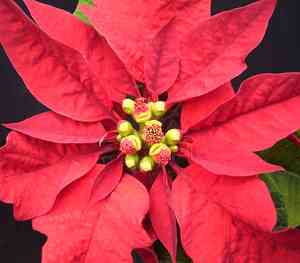
Peregrina is a delicate plant, indicating it cannot withstand freezing conditions.
2
Ideal indoor winter temperatures for Peregrina fall between 15°C and 24°C (59°F to 75°F).
3
Applying mulch can aid in protecting Peregrina's roots from cold when cultivated outside.
Why Peregrina Needs Special Care During Winter
Why Peregrina Needs Special Care During Winter
As a delicate plant, Peregrina cannot withstand freezing temperatures and demands particular attention in colder months. Originating from tropical and subtropical areas, this lovely flowering species is accustomed to warm climates. To survive winter, it must be shielded from frost and cold drafts, which can harm or even kill the plant. Taking appropriate measures to prepare and care for Peregrina through winter will ensure its vibrant blossoms return in spring.
Preparing Peregrina for Overwintering
When to Start Preparations
Begin getting Peregrina ready for winter once temperatures consistently fall below 15°C (59°F). This typically occurs in late autumn, depending on your region. Early preparation can help prevent potential damage from sudden cold spells.
Pruning and Cleaning the Plant
Trimming Peregrina before bringing it indoors or covering it outdoors for winter helps lower the risk of pest infestations and promotes healthier development. Cut back any dead or unhealthy branches and remove any leaves showing signs of disease. Clearing the plant of debris and dead material is crucial for reducing the chance of fungal infections.
Inspecting for Pests and Diseases
Thoroughly check Peregrina for pests and diseases before moving it inside or covering it for outdoor overwintering. Look for common pests such as aphids, spider mites, and mealybugs, and treat the plant with a suitable pesticide if needed. Cleaning and treating the plant now will save you trouble later.
How to Overwinter Peregrina Indoors
Choosing the Right Location
Select a bright, well-lit indoor spot for your Peregrina. A south-facing window is ideal as it provides ample sunlight. Ensure the area is free from drafts and sudden shifts in temperature.
Maintaining Optimal Light Conditions
While Peregrina requires good light, avoid direct exposure to midday sun when positioned behind glass, as it can scorch the leaves. If natural light is limited, consider using grow lights to supplement it, ensuring the plant receives about 6-8 hours of light daily.
Temperature and Humidity Control
Maintain indoor temperatures between 15°C to 24°C (59°F to 75°F). Peregrina benefits from higher humidity levels, so placing a humidifier nearby or setting the pot on a pebble tray with water can help maintain appropriate humidity.
Watering and Fertilizing Needs
During winter, Peregrinaâs growth slows, so adjust watering accordingly. Water sparingly and ensure the soil drains well, allowing the top 2.5 cm (1 inch) to dry out between waterings. Reduce fertilizing, as the plant will need fewer nutrients during this dormant period.
How to Overwinter Peregrina Outdoors
Choosing a Suitable Cover
If your Peregrina is planted outside and you live in a region with mild winters, use a frost cloth or burlap to cover the plant. This will protect it from cold winds and frost. Make sure the cover does not touch the leaves, as this can cause damage.
Adding Mulch for Root Protection
Apply a thick layer of mulch, approximately 7.5-10 cm (3-4 inches), around the base of the plant to insulate the roots from freezing temperatures. Organic mulches like straw, leaves, or wood chips are effective.
Monitoring Weather and Adjustments
Keep an eye on weather forecasts and be ready to add extra covers or move the plant to a more sheltered spot if extreme cold is predicted. Regularly check under the covers to ensure the plant is not suffering from excessive moisture-related issues.
Post-Winter Care for Peregrina
Gradual Reintroduction to Outdoors
As the weather warms in spring, slowly reintroduce Peregrina to the outdoors. Start by placing it outside for a few hours daily, gradually increasing exposure over a 1-2 week period. This helps the plant adapt to outdoor conditions without shock.
Resuming Regular Watering and Feeding
Once Peregrina is back outside, adjust your watering schedule to the growing conditions. Resume regular feeding with a balanced fertilizer every 4-6 weeks to support its active growth phase.
Pruning and Shaping
After the risk of frost has passed, prune Peregrina to shape and maintain its desired size and form. This encourages new growth and helps the plant produce more blooms throughout the growing season.



