How to Overwinter Pink jasmine
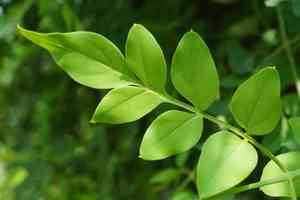
1
Pink jasmine thrives in ample indirect light indoors throughout the winter season.
2
This aromatic plant usually enters a dormant state in winter, so adjust watering accordingly.
3
Pink jasmine tolerates outdoor temperatures down to -7°C (20°F) if adequately shielded.
The Importance of Overwintering Pink jasmine
Why Overwintering Pink jasmine is Important
Overwintering Pink jasmine is vital for its survival and vigor in the upcoming growing season. This lovely vine, known for its sweet-smelling pink-tinted white blooms, originates from warmer climates. Consequently, it struggles in severe winter conditions. Overwintering allows the plant to maintain health and encourage new growth when seasons change. Without proper winter care, your Pink jasmine might suffer from cold damage, weak development, or even perish.
When to Begin Preparing Pink jasmine for Winter
Optimal Timing for Preparation
Start getting your Pink jasmine ready for overwintering as autumn temperatures begin to fall. Ideally, initiate the process when nighttime temperatures consistently drop below 10°C (50°F). This typically occurs from late September to early October, depending on your local climate. Early preparation enables the plant to slowly adapt to indoor environments or outdoor protective measures, lessening the risk of shock.
How to Overwinter Pink jasmine Indoors
Selecting the Right Spot
Finding the ideal indoor location for your Pink jasmine is crucial. Choose a spot that receives bright, indirect light. A south-facing window is perfect, but avoid direct midday sun, which can be too strong. If natural light is insufficient, supplement with a grow light. The plant should be kept away from drafts or direct heat sources like radiators, which can cause it to dry out.
Maintaining Optimal Indoor Conditions
Keep a steady temperature for your Pink jasmine indoors, ideally between 15-21°C (59-70°F). Humidity is another key factor; this plant prefers moderate moisture levels. You can achieve this by placing a humidifier nearby or setting the pot on a tray of water with pebbles. Ensure the pot's base is above the water level to prevent root rot.
Winter Watering and Feeding
During winter, Pink jasmine enters a semi-dormant state and needs less water. Water the plant sparingly, allowing the top 2.5 cm (1 inch) of soil to dry out between waterings. Excessive watering can lead to root rot. As for feeding, reduce fertilizer application. A diluted half-strength balanced fertilizer once a month is enough to keep it healthy without promoting excessive growth.
Can Pink jasmine Endure Winter Outdoors?
Assessing Frost Tolerance
While Pink jasmine is fairly resilient, it has its limits. It can withstand temperatures as low as -7°C (20°F). In areas with mild winters, it might survive outdoors with minimal protection. However, in regions where temperatures fall significantly below freezing, it's safer to bring the plant inside or provide substantial winter protection.
Preparing Your Pink jasmine for Spring
Gradual Reintroduction to Outdoor Conditions
As the danger of frost passes and daytime temperatures consistently rise above 10°C (50°F), begin acclimating your Pink jasmine to outdoor conditions. Start by placing it outside in a shaded area for a few hours daily, gradually increasing the duration and sunlight exposure. This process helps the plant adjust to the changing environment without shock.
Post-Winter Pruning and Feeding
Pruning your Pink jasmine is essential to encourage healthy growth in spring. Remove any dead or damaged stems and shape the plant as desired. Feeding becomes more important as growth resumes. Use a balanced liquid fertilizer every two weeks to provide the necessary nutrients for robust growth and abundant flowering.



