How to Overwinter Sweet potato vine
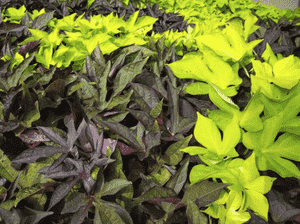
1
Sweet potato vine tolerates temperatures down to -5°C (23°F) if adequately mulched.
2
Inside, Sweet potato vine thrives in a well-lit area, away from direct heat.
3
Excessive watering in winter can cause root decay, so modify your irrigation routine.
The Importance of Overwintering Sweet potato vine
Why Overwintering Sweet potato vine is Important
Sweet potato vine is prized for its vibrant foliage, making it a popular choice for gardens and containers. However, this plant is susceptible to frost damage, which can be fatal if left exposed. Overwintering your Sweet potato vine not only guarantees its survival through colder periods but also allows you to enjoy its beauty all year. By taking simple precautions, you can avoid the expense and effort of replanting annually.
When to Begin Overwintering Sweet potato vine
Determining the Correct Time
The optimal time to start overwintering your Sweet potato vine is before the initial frost. This typically occurs from late September to early October, depending on your region's climate. Monitor weather forecasts to ensure ample preparation time for your plants.
Indicators of Impending Frost
Early signs of approaching frost include a sharp drop in temperature, frost advisories, and the appearance of ice crystals on surfaces like car windows. Upon observing these indicators, promptly initiate your overwintering process to safeguard your Sweet potato vine.
How to Prepare Sweet potato vine for Overwintering
Trimming and Cleaning
Start by trimming your Sweet potato vine to remove any dead or damaged leaves. This reduces the plant's energy requirements and minimizes disease risk. Clear away any fallen debris around the plant's base to deter pests from sheltering there during winter.
Container vs. Ground-Planted Specimens
For container plants, bring them indoors before the first frost. Ensure they are placed in a well-lit area, away from direct heat sources. For plants in the ground, you can either dig them up and store them indoors or cover them with a thick layer of mulch for insulation against the cold.
Optimal Methods for Overwintering Sweet potato vine
Indoor Overwintering
To overwinter indoors, carefully excavate the plants, preserving as much of the root system as possible. Pot them in well-draining soil and position them in a bright, cool spot, such as a greenhouse or a well-lit basement. Keep the soil slightly damp but not waterlogged to prevent root rot.
Utilizing Frost Covers
For those who prefer to keep their Sweet potato vine in the garden, frost covers are an effective solution. These covers act as a thermal barrier, trapping heat and protecting the plant from freezing temperatures. Simply place the cover over the plant in the evening and remove it once daytime temperatures rise.
Mulching Techniques
Apply a substantial layer (6-8 inches or 15-20 cm) of organic mulch, such as straw or leaves, around the base of your Sweet potato vine. Mulching helps maintain soil moisture and a more consistent soil temperature, offering additional protection during colder months.
Preferred Winter Conditions for Sweet potato vine
Light Requirements
During winter, it's crucial to provide your Sweet potato vine with sufficient light to maintain its health. If kept indoors, position the plant near a south-facing window to ensure it receives ample indirect sunlight. Supplemental lighting with grow lights can also be beneficial.
Temperature and Humidity
The ideal temperature range for Sweet potato vine during winter is between 10-18°C (50-65°F). Avoid placing the plant near heating vents or drafts, as abrupt temperature changes can stress it. Maintain moderate humidity to mimic its natural habitat, using a humidifier if necessary.
Soil and Watering Needs
During the winter months, your Sweet potato vine will require less water than during its active growth period. Water only when the top 2-3 cm (1 inch) of soil feels dry to the touch. Ensure your pots have good drainage to prevent water accumulation and subsequent root rot.
Common Overwintering Issues and Solutions
Pests and Diseases
Pests like aphids and spider mites can still pose a threat during winter. Inspect your plants regularly and use insecticidal soap if needed. Ensure proper air circulation to prevent fungal infections.
Overwintering Stress Indicators
Signs of stress during overwintering include yellowing leaves, wilting, or mold growth. If these symptoms appear, evaluate the plant's light, temperature, and watering conditions and adjust as necessary.



