How to Overwinter American holly
1
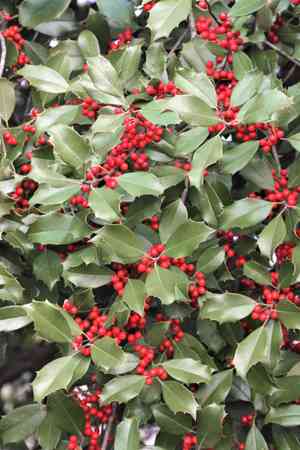
American holly inherently withstands cold temperatures, allowing it to survive winter.
2
Trimming American holly prior to winter aids in preserving its form and vitality.
3
Spreading a mulch layer before freezing temperatures safeguards American holly roots from frost damage.
What is Overwintering?
What is Overwintering?
Overwintering refers to the measures taken to help plants survive and thrive through the winter months. For outdoor plants like American holly, this involves preparing the plant to withstand cold temperatures, frost, and potential snow coverage. The goal is to ensure that the plant remains healthy and is ready to come back strong in the spring.
Preparing Your American holly for Winter
Pruning Tips
Proper pruning is essential in preparing American holly for winter. It's best to prune in late winter or early spring, but some light pruning in the fall can help, too. Trim any dead, broken, or diseased branches to reduce stress on the plant. This helps in preventing potential damage from the weight of snow or ice accumulation.
Mulching
Mulching is a fantastic way to insulate the roots of American holly. Apply a 5-10 cm (2-4 inches) layer of mulch around the base of the plant before the first hard frost. This mulch could be made from straw, leaves, or wood chips. This layer acts as a barrier, protecting the roots from freezing temperatures and maintaining soil moisture.
Watering Practices
One common misconception is that plants don't need watering in winter. However, ensuring that American holly is well-watered before the ground freezes is crucial. Water the plant deeply and thoroughly in the late fall â about 2.5 cm (1 inch) of water per week is ideal to support the evergreen leaves. This reserves moisture in the soil, aiding in the plant's overall resilience.
Common Issues During Overwintering
Identifying Frost Damage
Even frost-hardy plants like American holly can suffer frost damage under extreme conditions. Identifying frost damage early can help mitigate its effects. Look for blackened, wilted, or soggy leaves as signs of frostbite. If noticed, prune away the damaged parts in late winter or early spring to prevent the spread of decay.
Pest Control in Winter
Winter doesnât mean insects hibernate completely. Common pests like spider mites and scale insects can still affect American holly. Regularly inspect the plant, especially the undersides of leaves, for any signs of infestation. Use horticultural oil sprays to control these pests â remember to follow the product's instructions carefully to avoid any plant damage.



