How to Overwinter Possumhaw
1
Possumhaw withstands frost and can endure temperatures down to -23°C (-10°F).
2
Begin winter preparations for your Possumhaw in early autumn to guarantee its survival during colder periods.
3
Applying a 5-8 cm (2-3 inch) layer of mulch offers good protection from severe winter weather.
Understanding Possumhaw and Its Frost Hardiness
Understanding Possumhaw and Its Frost Hardiness
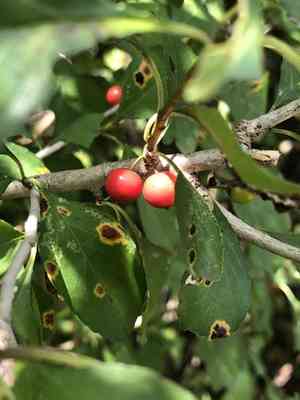
Possumhaw, known scientifically as Ilex decidua, is a robust deciduous holly native to North America. It is well-suited to endure cold winters, making it an excellent choice for gardeners in regions with severe climates. Its striking red berries provide a bright spot in the winter landscape, attracting birds and adding visual appeal to any garden. While Possumhaw is naturally hardy, ensuring optimal winter care can enhance its health and beauty.
Steps to Prepare Possumhaw for Winter
When to Start Preparing Possumhaw for Winter?
Begin your winter preparation in early fall, typically around late September to early October. This timing allows Possumhaw to acclimate to the changing weather conditions gradually. Early preparation includes monitoring weather forecasts and starting protective measures before the first hard frost.
Watering Requirements Before Winter
As the growing season winds down, it's crucial to adjust your watering routine. Provide deep watering sessions to ensure the roots are well-hydrated before the ground freezes. This will help your Possumhaw endure dry winter conditions. Aim for approximately 2.5 cm (1 inch) of water per session, once a week, ensuring the soil is moist but not waterlogged.
Pruning and Cleaning Possumhaw
Pruning is essential in preparing your Possumhaw for winter. Remove any dead or diseased branches to prevent the spread of potential infections. This also allows more sunlight and air circulation, promoting overall plant health. Clean the base of the plant by removing fallen leaves and debris to minimize pest infestations.
Protecting Possumhaw During Harsh Winters
Mulching Techniques for Insulation
Mulching is one of the most effective ways to protect Possumhaw during winter. Apply a 5-8 cm (2-3 inch) thick layer of organic mulch, such as shredded bark or leaves, around the base of the plant. This insulation helps retain soil moisture and maintains a stable temperature at the root level, preventing freeze-thaw cycles that can damage roots.
Using Protective Covers: Tips and Materials
In areas where temperatures drop significantly, consider using protective covers like burlap or frost blankets. These materials shield Possumhaw from harsh winds and extreme cold. When covering your plant, ensure the material is secured but allows some air circulation to prevent moisture buildup, which could lead to rot.
Monitoring Possumhaw Throughout Winter
Inspecting for Signs of Frost Damage
Regularly inspect your Possumhaw for signs of frost damage, such as browning or wilting leaves and branches. Early detection allows you to address issues before they become severe. If you notice frost damage, prune the affected parts carefully to prevent the spread of further damage.
Adjusting Care Based on Weather Patterns
Stay updated with local weather forecasts throughout winter and adjust your care routine accordingly. During dry spells, provide supplemental watering if the soil is not frozen, maintaining soil moisture levels. Conversely, during heavy snowfall, gently shake off snow accumulations from branches to prevent breakage.
Post-Winter Care for Possumhaw
Gradually Resuming Regular Watering
As winter fades and spring approaches, gradually resume regular watering. Start with a modest amount and increase it as temperatures rise, ensuring the soil remains consistently moist but not waterlogged.
Pruning Dead or Damaged Branches
Inspect your Possumhaw for any dead or damaged branches resulting from winter. Prune these branches to promote new growth and maintain the plant's overall health and shape. Make clean cuts to avoid leaving ragged edges that could invite pests or diseases.
Fertilizing Possumhaw in Spring
Apply a balanced, slow-release fertilizer in early spring to give your Possumhaw a nutrient boost as it begins its growing season. Follow the manufacturer's instructions for application rates, and consider adding compost or organic matter to improve soil fertility and structure.



