How to Overwinter Chinese holly
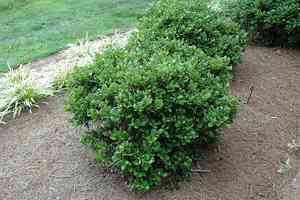
1
Chinese holly tolerates cold well, thriving in USDA hardiness zones 7-9.
2
Adequate mulching helps shield Chinese holly roots in colder seasons.
3
Wind barriers can safeguard Chinese holly against harsh, desiccating winds.
Understanding Frost Hardiness of Chinese holly
Understanding Frost Hardiness of Chinese holly
Before delving into winter care specifics, grasping the frost tolerance of Chinese holly is crucial. This robust evergreen shrub thrives in USDA hardiness zones 7-9, meaning it can endure winter temperatures as low as -15°C (5°F). Despite its frost resilience, Chinese holly still requires some preparation and protection to flourish in colder months.
Preparing Chinese holly for Winter
Pruning and Cleaning
Pruning is a key step in readying your Chinese holly for winter. Remove any dead, damaged, or diseased branches to enhance the plant's overall health and look. Be sure to clear away fallen leaves and debris from the base to prevent disease or pest accumulation. Pruning helps maintain its shape and stops the plant from becoming too dense, which can be problematic during heavy snow.
Soil and Mulching Tips
Proper soil preparation and mulching are vital for safeguarding Chinese holly during winter. Ensure the soil drains well to prevent waterlogging, which can lead to root rot. Apply a thick layer of mulch, about 5-7.5 cm (2-3 inches) deep, around the plant's base. Mulching insulates roots, retains soil moisture, and suppresses weed growth. Use organic materials like straw, leaves, or wood chips for optimal results.
Watering Needs
Chinese holly needs consistent moisture, even in winter. Water the plant thoroughly before the ground freezes to ensure it has enough moisture to last through the winter. During dry winters, water periodically to keep the soil slightly moist, but avoid overwatering to prevent root rot. Monitor moisture levels and adjust as needed based on weather conditions.
Protecting Chinese holly During Winter
Windbreaks and Barriers
Cold, drying winds can harm Chinese holly. Installing windbreaks or barriers, such as burlap screens or wooden fences, can help shield your plant from harsh winds. Position these barriers on the windward side for maximum protection. This step is especially important if you live in an area with strong winter winds.
Using Frost Cloths
Frost cloths or plant blankets are excellent for protecting Chinese holly from severe frost. Cover the plant with a frost cloth before dusk when frost is anticipated. Ensure the cloth reaches the ground and is secured to prevent it from blowing away. This creates a greenhouse effect, trapping heat and maintaining a stable temperature around the plant. Remove the cloth during the day for air circulation.
Sheltering Potted Chinese holly
Potted Chinese holly requires extra care in winter. Move pots to a sheltered spot, such as a garage, porch, or unheated room. The area should be cool but not freezing, and provide some light. Insulate pots by wrapping them with burlap or bubble wrap to protect roots from freezing temperatures. Check soil moisture regularly, as potted plants can dry out faster.
Common Winter Issues and Solutions for Chinese holly
Identifying Frost Damage
Frost damage on Chinese holly often appears as brown or blackened foliage, typically on the plant's outermost parts. These affected areas may look dry and wilted. To manage frost damage, prune away the damaged sections in late winter or early spring. This promotes new, healthy growth and helps maintain the plant's overall health and appearance.
Addressing Winter Desiccation
Winter desiccation occurs when Chinese holly loses moisture faster than it can absorb from frozen ground. Signs include browning leaves and general dryness. To prevent desiccation, ensure the soil is well-watered before the first frost, use windbreaks to reduce exposure to drying winds, and consider applying an anti-desiccant spray to help reduce moisture loss.
Preventing Root Rot
Root rot is a common winter problem, often caused by poorly draining soil and excessive watering. To prevent root rot, ensure your Chinese holly is planted in well-draining soil and avoid waterlogging. If the area is prone to heavy rainfall, consider raised beds to improve drainage. Regularly check moisture levels and avoid watering if the soil is already damp.



