How to Overwinter Polka dot plant
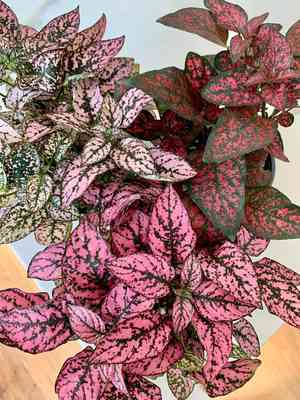
1
The Polka dot plant is delicate and cannot endure freezing temperatures.
2
Keep indoor temperatures within 16-24°C (60-75°F) for best growth in winter.
3
Check frequently for pests to prevent plant stress during the colder months.
Why Overwinter Polka dot plant?
Why Overwinter Polka dot plant?
Bringing your Polka dot plant indoors for winter is crucial if you reside in a region with significant temperature drops. This tropical species, originating from Madagascar, lacks frost hardiness and cannot endure prolonged cold exposure. By relocating your Polka dot plant indoors and providing proper care, you can ensure its health and vibrancy through colder months, allowing it to flourish again in spring.
Preparing Polka dot plant for Winter
Inspecting for Pests and Diseases
Before relocating your Polka dot plant indoors for the winter season, it's vital to thoroughly check for any indications of pests or diseases. Common invaders like spider mites, aphids, and whiteflies can cause damage if they enter your home. Examine the leaves, stems, and soil surface. If pests are found, treat the plant with a suitable pesticide or a homemade insecticidal soap mixture.
Trimming and Pruning
Give your Polka dot plant a good trim before bringing it inside. Trimming and pruning enhance air circulation around the plant and decrease disease risk. Remove any dead or discolored foliage, and cut back any excessively leggy stems. This promotes a bushier growth habit and simplifies indoor plant management.
Repotting if Necessary
If your Polka dot plant has outgrown its current container or the soil appears depleted, consider repotting it before winter. Utilize a well-draining potting mix to prevent waterlogging, which can lead to root rot. Select a pot that offers ample space for root development but isn't excessively large, as too much soil can retain surplus moisture.
Indoor Winter Care Tips for Polka dot plant
Lighting Requirements
During winter, your Polka dot plant requires abundant bright, indirect light to maintain its vivid coloration. Position it near a south or west-facing window. If natural light is insufficient, consider using a grow light for supplementation. Avoid direct sunlight, which can scorch the leaves.
Optimal Temperature and Humidity
Maintaining an indoor temperature between 16-24°C (60-75°F) is ideal for Polka dot plant. Avoid placing it near drafts or heating vents, as sudden temperature changes can stress the plant. Polka dot plants also prefer high humidity. Use a humidifier, or place a tray filled with water and pebbles beneath the pot to maintain adequate moisture levels.
Watering Schedule
Watering needs will decrease during winter due to slower growth. Water your Polka dot plant when the top 2.5 cm (1 inch) of soil feels dry to the touch. Be careful not to overwater, as this can lead to root rot. Ensure the pot has drainage holes to allow excess water to escape.
Fertilizing During Winter
Reduce the frequency of fertilizing during winter as the plantâs growth slows down. You can use a balanced, water-soluble fertilizer at half the usual strength once a month or follow the directions on the fertilizer label. Over-fertilizing can lead to salt buildup in the soil, which can harm the plant.
Common Problems and Solutions When Overwintering Polka dot plant
Leaf Dropping
Leaf dropping is a common issue when adjusting to indoor conditions. Ensure your plant receives enough light and isn't exposed to drafts. If leaves continue to drop, check for signs of overwatering or underwatering and adjust your care routine accordingly.
Pest Infestation
Pest infestations can become a significant problem in the dry indoor air of winter. Regularly inspect your Polka dot plant and use an appropriate pest control method if necessary. Using a neem oil spray can be an effective measure against many common pests.
Overwatering Issues
Overwatering is a leading cause of problems in indoor plants during winter. Ensure the soil dries out slightly between waterings and that the pot has good drainage. If you notice yellow leaves and soggy soil, reduce your watering frequency and allow the soil to dry out more thoroughly.



