How to Overwinter Panicle hydrangea
1
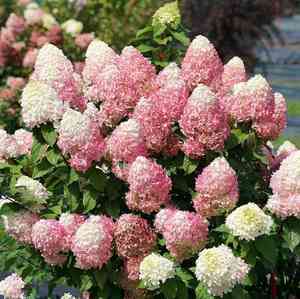
Panicle hydrangea withstands frost and endures cold conditions.
2
Trimming Panicle hydrangea during late summer aids in readying the plant for winter.
3
Applying mulch insulates the root system, shielding it from freezing.
Why is Overwintering Panicle hydrangea Important?
Why is Overwintering Panicle hydrangea Important?
Safeguarding your Panicle hydrangea through winter is vital to protect it from severe cold. Although Panicle hydrangea is tolerant of frost, proper winterization ensures its survival and vigorous growth in spring. Low temperatures can harm the plant's root system and branches, leading to stunted development or even death. By preparing your hydrangea for winter, you support its health, guaranteeing beautiful blooms next year.
Steps for Overwintering Panicle hydrangea
Pruning the Right Way
Correctly pruning your Panicle hydrangea is crucial for its vitality and development. The ideal time for pruning is late summer or early autumn. Remove any dead, damaged, or diseased branches to prevent issues from spreading. Avoid excessive pruning; typically, removing about one-third of the total growth is sufficient. Pruning helps the plant conserve energy and protects it from the weight of snow and ice.
Mulching for Insulation
Mulching is a key step in winterizing your hydrangea. Apply a thick layer (approximately 7.5â10 cm or 3â4 inches) of organic mulch, such as straw, bark chips, or compost, around the plant's base. Mulch serves as an insulating layer, helping to maintain soil temperature and moisture. This insulation reduces the risk of root freezing during extremely cold weather.
Protecting the Roots
Roots are especially vulnerable during winter. In addition to mulching, you can add a layer of leaves or evergreen boughs over the mulch for enhanced protection. Ensure that the mulch and extra layer thoroughly cover the root zone. This additional coverage helps shield the roots from sudden cold snaps and fluctuating temperatures, which can be detrimental.
Watering Before the Freeze
Adequate watering is essential before the ground freezes. Ensure your Panicle hydrangea is well-hydrated in late fall, as plants with sufficient moisture are better equipped to endure cold temperatures. Water deeply, making sure the soil is saturated but not waterlogged. Be sure to cease watering once the ground begins to freeze to prevent root rot.
Using Burlap for Extreme Cold
For regions experiencing extremely cold winters, using burlap can offer extra protection. Loosely wrap the hydrangea in burlap, securing it with twine or stakes. The burlap acts as a barrier against harsh winds and extreme cold, helping to prevent branch damage. Remember to remove the burlap once the risk of frost has passed to allow for proper air circulation.



