How to Overwinter Smooth hydrangea
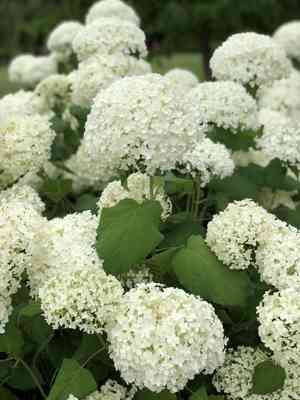
1
Smooth hydrangea is resilient and tolerates cold winters well with adequate preparation.
2
Hydrating your Smooth hydrangea prior to a hard freeze aids in safeguarding its roots from harm.
3
Applying mulch offers crucial insulation against winter cold, preserving root vitality.
Understanding the Frost Hardiness of Smooth hydrangea
Understanding the Frost Hardiness of Smooth hydrangea
Smooth hydrangea, known scientifically as Hydrangea arborescens, is a shrub celebrated for its beautiful, large flower clusters that can enhance any garden. A key characteristic is its frost hardiness, meaning it can withstand cold winter temperatures quite well. However, to ensure your Smooth hydrangea stays healthy and blooms vibrantly each season, proper winter care is vital. Comprehending frost hardiness helps us develop strategies to further protect this resilient yet delicate plant from extreme weather.
Preparing Your Smooth hydrangea for Winter
Pruning and Cleaning the Plant
Pruning is a crucial step in getting your Smooth hydrangea ready for winter. Begin by removing any dead or diseased branches with clean, sharp shears to prevent disease spread. Cut back old flower heads to about two buds above the previous year's growth. This not only helps maintain the plant's shape but also promotes strong growth next season. Clearing fallen leaves and debris around the plant's base can deter pests and diseases during colder months.
Mulching for Insulation
Mulching serves as a natural insulator, shielding the roots of your Smooth hydrangea from freezing temperatures. Apply a 5-10 cm (2-4 inches) thick layer of organic mulch, such as straw, wood chips, or leaves, around the plant's base. Ensure the mulch extends to the drip line (the area directly beneath the plant's outer edge). This protective layer moderates soil temperature and moisture, creating a more stable environment for your hydrangea's roots during winter.
Watering before the Frost
While it might seem counterintuitive to water plants before frost, doing so can benefit your Smooth hydrangea. Before the first anticipated hard freeze, give your hydrangea a deep watering. This helps ensure the roots are hydrated and can survive winter better. Watering also helps prevent the soil from freezing solid, which can harm roots. Aim to provide about 2.5 cm (1 inch) of water weekly leading up to winter, especially if rainfall has been scarce.
How to Protect Potted Smooth hydrangea During Winter?
Moving Indoors
If your Smooth hydrangea is in containers, they are more susceptible to frost as their roots lack the insulation of in-ground plants. To protect them, consider moving the pots indoors to an unheated garage, basement, or greenhouse where temperatures stay above freezing. Before moving your hydrangea, check for pests and diseases to prevent indoor spread. Once inside, place pots near a window for natural light and maintain minimal watering to keep roots just moist enough.
Using Frost Covers
For extra protection, especially if indoor relocation isn't an option, use frost covers. These covers are typically made from breathable fabric that traps heat and keeps frost off the plant. Cover the plant completely, securing the fabric around the base to ensure it stays put in windy conditions. Frost covers effectively provide a few degrees of extra warmth, which can be the difference between survival and damage for your Smooth hydrangea during particularly cold periods.
Post-Winter Care for Smooth hydrangea
Assessing Winter Damage
After winter has passed, it's important to check your Smooth hydrangea for any signs of winter damage. Look for broken branches, frostbite, or discoloration in the stems and branches. Some damage is normal, but quick identification and action can help the plant recover more efficiently. Prune any dead or damaged branches using sterile pruning shears to encourage healthy new growth.
Early Spring Pruning
Early spring is an ideal time to thoroughly prune your Smooth hydrangea. This helps remove any winter damage and promotes vigorous growth. Cut back stems to about 15-30 cm (6-12 inches) above the ground to rejuvenate the plant. This step is especially beneficial for Smooth hydrangea, as it blooms on new wood, meaning flowers will develop on the fresh stems produced this year.
Fertilizing and Watering
As your Smooth hydrangea begins to emerge from dormancy and show new growth, it's time to start a fertilizing routine. Use a balanced, slow-release fertilizer to supply essential nutrients to the plant. Follow package directions for the correct application rate. Additionally, consistent watering is crucial as the weather warms. Ensure the soil remains consistently moist but not waterlogged. Typically, providing 2.5-5 cm (1-2 inches) of water per week, depending on rainfall and soil conditions, should be adequate.



