How to Overwinter Spanish bluebell
1
Spanish bluebell bulbs require soil that drains effectively to prevent decay over winter.
2
Mulching aids in insulating the bulbs and guards against drastic temperature changes.
3
Even robust plants such as Spanish bluebell gain from additional safeguarding in harsh cold.
Is Spanish bluebell Frost Hardy?
Is Spanish bluebell Frost Hardy?
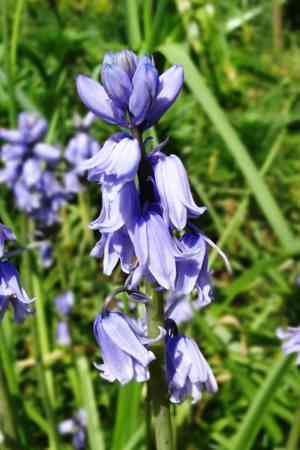
The Spanish bluebell is a charming plant known for its beautiful blue flowers that bloom in spring. One of the most reassuring aspects of this plant is its frost hardiness. The Spanish bluebell can withstand frost and cold temperatures, making it a resilient choice for gardeners in various climates. However, while it is hardy, specific winter care steps can ensure optimal health and a vibrant bloom in the following season.
Preparation for Overwintering Spanish bluebell
Soil and Location Selection
Selecting the right soil and location is crucial for Spanish bluebell to thrive during winter. Ensure that the soil is well-draining to prevent the bulbs from sitting in water, which can cause rot. A loamy soil enriched with organic matter is ideal. Choose a location that provides partial shade, replicating its natural woodland habitat.
Mulching Techniques
Mulching is a critical step in protecting Spanish bluebell bulbs during winter. Apply a 5-7 cm (2-3 inches) layer of organic mulch, such as straw or shredded leaves, over the planting area. Mulch helps to insulate the soil, preventing it from freezing and thawing cycles that can disturb the bulbs. Ensure the mulch is evenly spread but not packed tightly against the plant stems.
Watering Requirements
While Spanish bluebell requires less water during winter, it is important to keep the soil slightly moist. Overwatering can lead to bulb rot, so water sparingly, ensuring the soil is damp but not waterlogged. If the winter is particularly dry, occasional watering is beneficial but remember to reduce the frequency as compared to the growing season.
Pruning and Maintenance
Pruning and general maintenance before winter help ensure Spanish bluebell stays healthy. Remove any dead or diseased foliage to prevent the spread of diseases. However, avoid cutting back the green leaves as they continue to photosynthesize, storing energy in the bulbs for next year's growth. Regularly check for signs of pests and diseases to address issues promptly.
Common Problems and Solutions During Overwintering
Fungal Issues
Winter can bring about increased moisture levels, leading to fungal issues such as mildew or bulb rot. Ensure proper drainage and consider applying a fungicide if fungal problems have been an issue in the past. Promptly remove and discard any affected plant material to prevent the spread of disease.
Pests and Prevention
Winter pests such as voles and rodents can damage Spanish bluebell bulbs. Protect your plants by placing wire mesh around the planting area or using repellents. Regular inspection and early intervention are key to preventing extensive damage.
Dealing with Extreme Cold
In regions with extreme cold, extra steps are necessary. You can cover the planting area with additional mulch or use frost cloths when severe cold snaps are forecasted. For plants in pots, consider moving them to a sheltered location like a garage or basement where temperatures are more stable.



