How to Overwinter Porcelainflower
1
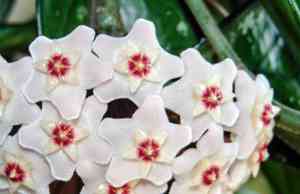
Temperatures falling below 10°C (50°F) may damage your Porcelainflower.
2
Porcelainflower flourishes in ample, diffused light throughout the winter season.
3
Periodically check your Porcelainflower for insects to avoid outbreaks in winter.
Why is Overwintering Porcelainflower Important?
Why is Overwintering Porcelainflower Important?
Protecting your Porcelainflower during colder months is vital for its survival and well-being. As a delicate plant, Porcelainflower cannot endure freezing temperatures and needs frost protection. By moving it indoors and providing proper care, you guarantee its continued vitality and readiness for the growing season once temperatures rise. Understanding Porcelainflower's specific winter needs helps prevent common issues like yellowing leaves, leaf loss, and fungal infections.
Ideal Indoor Conditions for Porcelainflower During Winter
Light Requirements
During winter, ensuring your Porcelainflower receives adequate illumination is crucial. Position it near a south or west-facing window for bright, indirect light. If natural light is insufficient, consider supplementing with a grow light. A consistent light source helps prevent leaf drop and promotes healthy development.
Temperature Range
Porcelainflower thrives in a stable indoor temperature range of 15-26°C (60-80°F). Avoid exposing the plant to drafts or sudden temperature shifts, which can cause stress. Keeping it away from radiators and heaters ensures a consistent environment.
Humidity Levels
Humidity is essential for Porcelainflower, especially during dry winter months. Aim for indoor humidity around 40-60%. You can use a humidifier, place the plant on a pebble tray with water, or group it with other humidity-loving plants. Regular misting can also help, but ensure leaves dry quickly to prevent fungal problems.
How to Prepare Porcelainflower for Overwintering?
Pruning and Cleaning
Before bringing your Porcelainflower indoors for winter, trim any dead or unhealthy growth. This not only enhances the plant's appearance but also helps prevent pests and diseases. Gently clean the leaves with a damp cloth to remove dust and any potential pests.
Inspecting for Pests and Diseases
Thoroughly check your Porcelainflower for signs of pests like aphids, mealybugs, or spider mites. Remove any visible pests with an alcohol-dipped cotton swab. If necessary, treat the plant with an appropriate insecticidal soap or neem oil. Early detection and treatment are crucial for maintaining your plant's health through winter.
Proper Watering
Adjust watering habits for winter. Porcelainflower needs less water during its dormant period. Ensure the top 2-3 cm (1 inch) of soil is dry before watering. Overwatering can lead to root rot, so moderate irrigation is essential. Use room-temperature water and avoid wetting the foliage.
Caring for Porcelainflower Throughout the Winter
Monitoring Soil Moisture
Consistently check the soil's moisture to ensure it's neither too dry nor excessively wet. Use a soil moisture meter or simply check with your fingers. Balance is key: water when the top layer of soil is dry to the touch.
Avoiding Fertilization
During winter, Porcelainflower's growth rate slows, so avoid fertilizing during this period. Fertilization can resume in spring when the plant enters its active growth phase. Over-fertilizing in winter can lead to salt build-up in the soil, harming the roots.
Common Issues When Overwintering Porcelainflower and Their Solutions
Yellow Leaves
Yellow leaves can result from overwatering or insufficient light. Ensure your plant receives bright, indirect light and that the soil drains properly. Allow the soil to dry out between waterings to prevent root rot.
Leaf Drop
Leaf drop can occur due to drastic temperature changes or low humidity. Keep the plant in a stable environment away from drafts and maintain adequate humidity levels. Use a humidifier if necessary.
Fungal Issues
Fungal problems are typically linked to high humidity and poor air circulation. Ensure good ventilation by occasionally opening windows or using a nearby fan. Avoid overhead watering and remove any fallen leaves from the soil surface to prevent fungal growth.



