How to Overwinter Swamp rose mallow
1
Trim your Swamp rose mallow prior to the initial frost to aid the plant in energy conservation.
2
Applying mulch around the root area is crucial for shielding the plant from harsh temperatures.
3
Watering requirements lessen in winter, but avoid allowing the soil to become entirely parched.
Why Overwinter Swamp rose mallow?
Why Overwinter Swamp rose mallow?
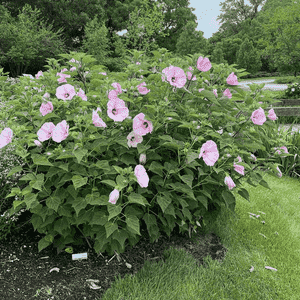
The Swamp rose mallow is a lovely perennial known for its large, striking flowers. Originating from North American wetlands, this resilient plant thrives in various garden climates. However, to ensure its healthy and vigorous return each spring, specific care is needed to prepare it for winter. Overwintering is particularly important for gardeners in areas with harsh winters, as it safeguards the plant from frost damage and guarantees its survival.
Steps to Prepare Swamp rose mallow for Winter
Pruning and Cleaning Up the Plant
Start by pruning your Swamp rose mallow. Cut back old flower stalks and any damaged or diseased foliage. This not only tidies the plant but also allows it to conserve energy through winter. Aim to reduce stems to approximately 30 centimeters (12 inches) from the ground. Be sure to clear any debris from around the plant's base to prevent pests and diseases from surviving winter in the dead material.
Mulching and Insulating the Root Zone
Mulching is a crucial step for overwintering Swamp rose mallow. Apply a thick layer (about 5-8 centimeters or 2-3 inches) of organic mulch, such as straw or bark chips, around the plant's base. This insulates the root zone against temperature fluctuations and frost. Ensure the entire root area is covered, extending to the plant's drip line. Proper insulation guarantees root protection, supporting new growth in spring.
Watering Guidelines
As temperatures drop, your Swamp rose mallow's watering needs will decrease. However, it's vital not to let the soil completely dry out. Maintain a balance by keeping the soil slightly moist but not waterlogged. Deep watering about once a month should be sufficient in most climates, ensuring roots stay hydrated but not saturated. Avoid watering during freezing temperatures to prevent water from freezing around the roots.
Common Overwintering Problems and Solutions
Identifying and Preventing Frost Damage
Frost damage can appear as wilting, blackened leaves, or soft stems. To prevent this, ensure your Swamp rose mallow is pruned, mulched, and watered correctly before the first frost. Additionally, consider using frost cloths or windbreaks to shield the plant from cold winds that can worsen frost damage. Monitoring weather and taking proactive steps can help keep your plant safe.
Dealing with Mold and Mildew
Cool, damp conditions can lead to mold and mildew issues during winter. To combat this, ensure your Swamp rose mallow is in a location with good air circulation. Avoid over-watering and ensure the mulch layer isn't too thick, as overly moist conditions encourage fungal growth. If mold or mildew appears, treat affected areas with an appropriate fungicide for ornamental plants, and adjust care practices to prevent future outbreaks.



