How to Overwinter Stinking hellebore
1
Stinking hellebore tolerates cold well, making it resilient to freezing winter conditions.
2
In the colder months, Stinking hellebore needs infrequent watering, roughly every two to three weeks.
3
Adding a mulch layer safeguards the plant's root system from severe cold.
What Makes Stinking hellebore Frost Hardy?
What Makes Stinking hellebore Frost Hardy?
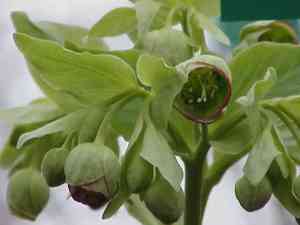
The Stinking hellebore (Helleborus foetidus) is known for its remarkable ability to withstand cold, making it an excellent garden choice for those experiencing chilly winters. This plant's capacity to endure harsh winter conditions stems from its unique physiological adaptations. Stinking hellebore features slender, tough leaves that minimize water loss and provide insulation against freezing temperatures. Additionally, its root system is robust, firmly anchoring the plant even when the soil undergoes frost heave. These combined traits ensure your Stinking hellebore remains unharmed throughout the winter months.
Optimal Conditions for Overwintering Stinking hellebore
Ideal Temperature Range
For successful winter survival, Stinking hellebore prefers a cool environment. It can endure temperatures as low as -18°C (0°F), making it suitable for various climates. Be sure to monitor extended periods of extreme cold. Although resilient, consistent temperatures below -23°C (-10°F) might stress the plant.
Soil Requirements
Soil quality is crucial for successful overwintering. Stinking hellebore thrives best in well-draining, humus-rich soil. Ensure proper drainage to prevent waterlogging, which can lead to root rot during wet winter months. Incorporating organic compost into the soil can enhance its moisture retention while maintaining good drainage.
Light Exposure
While Stinking hellebore flourishes in partial to full shade during summer, it benefits from increased light during winter when the sun is less intense. Positioning your plant to receive filtered sunlight can boost its vitality and health through the colder months.
How to Prepare Stinking hellebore for Winter
Watering Techniques
Reducing irrigation is essential as Stinking hellebore decreases its water uptake during winter. Water the plant thoroughly approximately every 2-3 weeks, ensuring the soil is moist but not saturated.
Feeding and Fertilization
Lessen fertilization as your Stinking hellebore approaches dormancy. Feeding the plant in early autumn with a balanced, slow-release fertilizer can supply vital nutrients that support its winter resilience. Avoid heavy feeding during the winter months.
Mulching for Protection
Applying a layer of mulch around your Stinking hellebore will shield its roots from extreme cold and temperature fluctuations. Use organic mulch like straw or leaf mold to provide both insulation and gradual nutrient release as it breaks down.
Common Issues in Overwintering Stinking hellebore
Preventing Frost Damage
While Stinking hellebore is frost-hardy, extremely low temperatures can still pose a risk. Consider using frost cloths or garden blankets during particularly severe periods to prevent leaf and bud damage.
Addressing Pests and Diseases
Pests such as aphids and diseases like leaf spot, though less active in winter, can still impact Stinking hellebore. Regularly inspect your plant for any signs of infestation or disease, and apply appropriate organic treatments to manage these issues promptly.
Best Practices for Post-Winter Care
Gradual Exposure to Spring Conditions
As spring arrives, slowly increase your plant's exposure to sunlight and reduce mulching to help it adapt to the changing conditions. Abrupt changes can stress the plant, so transition gently.
Pruning and Cleaning the Plant
Prune any dead or damaged foliage to encourage new growth. Cleaning up around the plant's base can prevent diseases and pests that thrive on decaying plant matter. This revitalization helps your Stinking hellebore bounce back vigorously for the blooming season.



