How to Overwinter English ivy
1
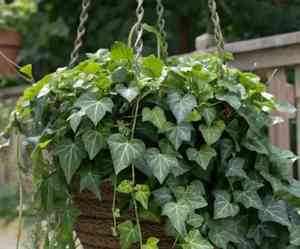
English ivy is resilient and can endure freezing temperatures with appropriate care.
2
Pruning English ivy prior to winter assists in preserving its form and encourages robust development.
3
Employing frost blankets can shield English ivy from severe winter elements.
Understanding English ivy Hardiness
Understanding English ivy Hardiness
A key characteristic of English ivy (Hedera helix) is its remarkable resilience. This evergreen climbing plant is known for its ability to endure cold temperatures, making it a popular choice for both indoor and outdoor settings. Being frost-tolerant, English ivy can withstand temperatures as low as -28°C (-20°F). However, without proper care, even the toughest plants can suffer from winter stress. Therefore, understanding its hardiness is crucial to ensure its survival through the colder months.
Preparing English ivy for Winter
Should You Trim English ivy Before Winter?
Trimming English ivy prior to the winter season is vital for its health and appearance. Pruning helps eliminate dead or damaged foliage, which can become potential disease sites during the damp and cold winter months. It's best to prune your ivy in late autumn, just before the first frost. Use clean, sharp shears to cut back any excessive growth and to shape the plant as desired. Remember not to over-prune; leaving some leaves will allow the plant to continue photosynthesis and remain strong.
Watering Needs in Winter
During winter, the watering requirements of English ivy change significantly. While it doesn't need as much water as in the warmer seasons, ensuring that the soil remains slightly moist is critical. Both insufficient and excessive watering can harm the plant. A good guideline is to check the soil moisture weekly. If the top 2.5 cm (1 inch) of soil feels dry to the touch, it's time to water. Using a watering can, apply water slowly and evenly until you observe it draining from the bottom of the pot.
Protecting English ivy from Frost
Mulching Techniques
An effective method to safeguard English ivy from frost is through mulching. Applying a thick layer of mulch around the plant's base helps insulate the roots from extreme temperature fluctuations. Utilize organic mulch materials such as straw, wood chips, or shredded leaves. Spread the mulch to a depth of 5-7.5 cm (2-3 inches) around the plant's base, ensuring it covers the root zone without touching the plant's stems. This approach not only retains soil moisture but also provides an additional layer of frost protection.
Using Frost Cloths
Frost cloths are a gardenerâs essential tool during harsh winter nights. These specially designed fabrics help retain warmth and shield plants from frost damage. To use a frost cloth on English ivy, drape it over the entire plant in the late afternoon before temperatures drop. Frost cloths, or garden fleece, are breathable and allow light, air, and moisture to reach the plant while preventing frost from settling on the leaves. They offer a temporary but effective solution against sudden cold snaps.
Indoor Care for English ivy in Winter
Ideal Indoor Environment
If you opt to bring your English ivy indoors for the winter, you'll need to create the appropriate environment for it to flourish. Position the plant in a spot where it can receive bright, indirect sunlightâabout 4-6 hours per day is optimal. Indoor temperatures should be maintained between 15-24°C (60-75°F). Ensure the room is well-ventilated but avoid placing the ivy near drafts, heaters, or fireplaces, as these can cause temperature fluctuations and dry out the plant.
Monitoring for Pests
Winter can attract pests like spider mites, aphids, and mealybugs to your indoor English ivy. Regularly inspect the leaves for any indications of infestation. Sticky residue, tiny webs, or small insects are signs that pests might be present. If detected, treat the plant immediately using insecticidal soap or neem oil. Additionally, maintaining proper humidity levels by misting the plant or using a humidifier can help deter pests, as they thrive better in dry conditions.
Common Winter Issues for English ivy
Identifying Frost Damage
Frost damage in English ivy appears as blackened, wilted, or water-soaked leaves. If your ivy exhibits these symptoms, itâs crucial to act promptly. Remove the affected leaves to prevent the spread of damage and reduce stress on the plant. Ensuring the plant is protected from further frost exposure is paramount. Regrowth is possible if the root system is intact and healthy.
Dealing with Root Rot
Root rot is a common winter problem caused by over-watering and poor drainage. Symptoms include yellowing leaves and a mushy, foul-smelling root system. To address root rot, remove the plant from its pot to examine the roots. Trim any rotten sections with sterilized scissors. Replant English ivy in fresh, well-draining soil and a container with adequate drainage holes. Water sparingly, allowing the soil to dry out slightly between watering sessions.



