How to Overwinter Zebra plant
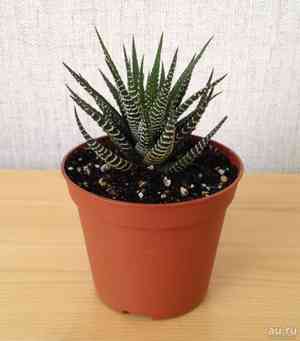
1
Zebra plant thrives in temperatures ranging from 15-24°C (59-75°F) during the colder months.
2
Make sure the Zebra plant receives a minimum of 6 hours of filtered sunlight daily.
3
Reduce watering frequency in winter, letting the soil become dry between irrigations.
Why is Overwintering Necessary for Zebra plant?
Why is Overwintering Necessary for Zebra plant?
Protecting Zebra plant during winter is crucial to shield this delicate succulent from cold and frost. Originating from South Africa, it thrives in warm, arid conditions. When temperatures fall below 10°C (50°F), the plant's cell structures can be damaged, leading to stunted growth or death. Moving your Zebra plant indoors in colder months ensures its health, allowing its growth cycle to continue. Proper winter care also aids in preventing diseases and controlling pests, establishing a strong base for the next growing season.
Ideal Indoor Conditions for Overwintering Zebra plant
Temperature Requirements
Maintaining your Zebra plant in an environment with stable temperatures between 15-24°C (59-75°F) is optimal. Avoid placing it near drafts or heat sources like radiators and heating vents, as temperature fluctuations can stress the plant. A consistent climate supports healthy metabolic and growth processes vital for the plantâs survival.
Light Exposure
During winter, ensuring your Zebra plant gets sufficient sunlight is critical. Position the plant where it can receive at least 6 hours of indirect sunlight daily. North or east-facing windows are often best. Alternatively, use artificial grow lights if natural sunlight is inadequate. This mimics the natural light spectrum, especially on dim winter days.
Humidity Levels
Unlike many tropical houseplants, the Zebra plant doesn't need high humidity. Keep humidity levels moderate, between 40-60%. Avoid excessively damp conditions, as this can increase fungal disease risk. Using a humidity tray or ensuring good room ventilation can help maintain ideal conditions.
Preparing Zebra plant for Winter
Inspecting for Pests and Diseases
Before bringing your Zebra plant indoors, it's vital to thoroughly check it for pests like mealybugs, spider mites, or aphids. Use a magnifying glass to examine leaf crevices and undersides. If pests are found, treat the plant with an appropriate insecticidal soap or neem oil. This prevents a pest outbreak that could spread to other indoor plants.
Pruning for Optimal Health
Trimming any dead or damaged leaves can help maintain your Zebra plant's health. Use sterilized scissors or pruning shears to prevent pathogen transmission. Regular grooming allows for better light penetration and air circulation, which are essential during the less active winter months.
Watering Schedule Adjustments
Your Zebra plant will require less water in winter than during its growing season. Let the soil dry out completely between watering sessions to prevent root rot. Typically, watering every 4-6 weeks is enough, though this can vary based on indoor humidity and temperature.
How to Transition Zebra plant Back Outdoors
Gradual Acclimatization
When spring arrives, it's time to move your Zebra plant back outside. Gradual acclimatization is key to preventing shock. Begin by placing the plant outdoors for a few hours daily in a shaded spot, slowly increasing its sun exposure over one to two weeks. This slow transition helps the plant adapt to changes in light, temperature, and humidity.
Monitoring for Frost Risks
Always check the weather forecast for late frost risks before permanently moving your Zebra plant outdoors. Keep the plant indoors or in a sheltered area until nighttime temperatures consistently remain above 10°C (50°F). Unexpected frosts can severely harm your plantâs delicate tissues.
Common Overwintering Challenges for Zebra plant
Dealing with Overwatering
Overwatering is a frequent problem when overwintering succulents like the Zebra plant. Ensure your potting mix drains well and significantly reduce watering frequency. Look for signs such as yellowing leaves or mushy stems, which indicate over-saturation. Using pots with drainage holes can help prevent waterlogging.
Preventing Light Deficiency
Insufficient light during winter can cause etiolation, making the Zebra plant leggy and stretched. To prevent this, ensure the plant receives ample light. Supplemental grow lights are an excellent solution if natural sunlight is limited. Position these lights about 30 cm (12 inches) above the plant, keeping them on for 10-12 hours daily.



