How to Overwinter Firebush
1
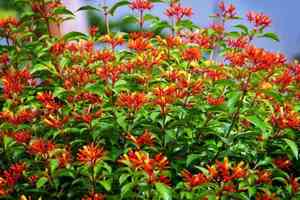
Firebush can flourish inside in a bright location over winter.
2
Adequate irrigation is vital for maintaining Firebush's well-being during its resting phase.
3
Slowly reintroducing it outside is key to prevent stress in spring.
The Importance of Overwintering Firebush
Why Overwintering Firebush is Important?
As a tropical species originating from warmer regions, Firebush (Hamelia patens) flourishes in areas free from frost. However, for those cultivating Firebush in colder climates, safeguarding this delicate plant from freezing temperatures is vital. Overwintering guarantees your vibrant shrub's survival until spring, preserving its health and preventing root damage. By taking measures to overwinter your plant, you're investing in its longevity and abundant blooms for future years.
Preparing Firebush for Winter Storage
When to Start the Preparation
Timing is crucial for successful winterization. Initiate the preparation process in late summer or early autumn, prior to the first frost. Starting early allows ample time to acclimatize the plant to indoor conditions and minimizes transplant shock.
Necessary Tools and Materials
To move your Firebush indoors, you will need: A spacious pot with drainage holes Premium potting mix Pruning shears Insecticidal soap A thick, waterproof sheet or covering for transporting the plant indoors
Moving Firebush Indoors
Choosing the Right Spot Inside
When bringing Firebush indoors, selecting an appropriate location is essential. Position the plant in a well-lit area, such as near a south-facing window, where it can receive ample sunlight. If natural light is insufficient, consider utilizing grow lights for supplementation.
Adjusting Light and Temperature
Maintaining suitable environmental conditions indoors is critical. Ensure that the temperature remains between 18-24°C (65-75°F). Humidity should be kept moderate to high; mist the leaves occasionally if the indoor air is dry. Avoid direct exposure to heating vents or cold drafts, which could stress the plant.
Caring for Firebush During Winter
Watering Needs
Firebush has altered watering requirements during winter. As the plant's growth slows, reduce irrigation frequency. Check the soil moisture weekly and water only when the top 2-3 cm (1 inch) of soil feels dry. Proper drainage is crucial to prevent root rot.
Fertilizing Guidelines
During the winter dormancy period, Firebush does not require frequent fertilization. A light feeding once every 6-8 weeks with a balanced, water-soluble fertilizer will suffice. This ensures the plant receives essential nutrients without overstimulation.
Pest and Disease Management
Indoor plants are susceptible to pests like spider mites and aphids. Regularly inspecting your Firebush and using insecticidal soap can help manage infestations. Ensure good air circulation and avoid overwatering to prevent fungal diseases.
Transitioning Firebush Back Outdoors
Best Time to Move Outside
The ideal time to transition your Firebush back outdoors is after the last frost, typically in late spring. Ensure nighttime temperatures are consistently above 10°C (50°F) before moving the plant.
Gradual Acclimatization Process
To avoid shock, acclimate your Firebush gradually. Start by placing it outdoors in a shaded or partially shaded area for a few hours each day, gradually increasing exposure over 1-2 weeks. This process helps the plant adjust to varying outdoor conditions.



