How to Overwinter Moon cactus
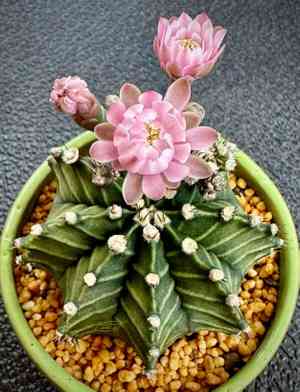
1
Moon cactus thrive in bright, indirect sunlight. Too much direct sun can cause their vibrant colors to fade.
2
Moon cactus are grafted plants, meaning one cactus is grown on top of another.
3
These cacti prefer a winter temperature range between 15°C and 21°C (59°F and 70°F).
Why is Overwintering Important for Moon cactus?
Why is Overwintering Important for Moon cactus?
Overwintering is crucial for Moon cactus due to their tender nature. Unlike hardy cacti species, Moon cactus are susceptible to cold temperatures and might not survive frosty conditions. Overwintering ensures that your beloved plant gets through the winter in a state of dormancy, preparing it for vibrant growth in the spring. Proper overwintering can prevent common issues such as root rot, pest infestations, and unnecessary stress on your plant.
Ideal Conditions for Overwintering Moon cactus
Light Requirements
During the winter months, Moon cactus still need plenty of light, but it should be indirect. Place your plant near a north or east-facing window where it can receive a good amount of filtered sunlight. Artificial grow lights can be beneficial if natural light is inadequate.
Temperature Control
Moon cactus do well in a temperature range between 15°C and 21°C (59°F and 70°F) during winter. Avoid placing them near cold drafts, heaters, or radiators, as sudden temperature changes can stress the plant.
Humidity Levels
These cacti prefer low humidity. High humidity can promote fungal diseases. A humidity level of around 30-50% is ideal for Moon cactus. Avoid placing them in overly humid rooms such as bathrooms.
How to Prepare Moon cactus for Overwintering
Inspecting for Pests and Diseases
Before transitioning your Moon cactus to its overwintering spot, thoroughly inspect it for any signs of pests or diseases. Look for discoloration, spots, or pests on the grafted top and the rootstock. Treat any issues promptly to ensure a healthy winter dormancy.
Pruning and Cleaning
Remove any dead or damaged parts of the cactus. A clean plant is less likely to develop diseases over the winter. Use sterilized tools to avoid introducing infections. Dust the plant gently to keep it clean and free from debris.
Adjusting Watering Schedule
Moon cactus need significantly less water during winter. Allow the soil to dry out completely between waterings, which may mean watering only once a month. Overwatering during winter is a common mistake that can lead to root rot.
Common Mistakes to Avoid While Overwintering Moon cactus
Overwatering
Overwatering is the leading cause of root rot during the winter. Remember to let the soil dry out completely between waterings to keep the roots healthy.
Insufficient Light
Although less active, Moon cactus still need ample bright, indirect light to maintain their vibrant colors and health. Make sure they are not in a completely dark spot.
Ignoring Temperature Needs
Keeping the cactus in too cold or too warm an environment can cause stress. Ensure the plant stays within the ideal temperature range of 15°C to 21°C (59°F to 70°F).



