How to Overwinter Scarlet-star
1
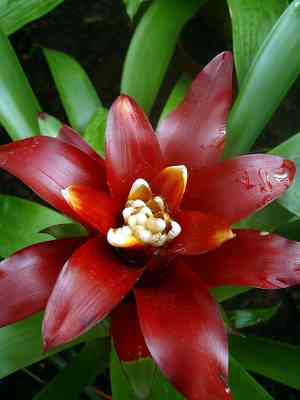
The Scarlet-star is a delicate plant, indicating its susceptibility to frost and low temperatures.
2
Keep indoor temperatures within the range of 15°C - 24°C (60°F - 75°F) for optimal Scarlet-star growth in winter.
3
Refrain from excessive watering of your Scarlet-star during winter to prevent root decay.
What Does Overwintering Scarlet-star Mean?
What Does Overwintering Scarlet-star Mean?
Overwintering your Scarlet-star entails taking measures to ensure the plant endures the cold winter months. As Scarlet-star is a delicate plant, it does not thrive in lower temperatures and is susceptible to frost damage. Overwintering involves relocating the plant indoors, modifying care routines, and maintaining optimal indoor conditions to keep the plant healthy and flourishing until it can be safely moved back outdoors in warmer weather.
How Do You Prepare Scarlet-star for Winter?
Inspecting for Pests and Diseases
Prior to bringing your Scarlet-star indoors, thoroughly examine it for pests and diseases. Closely inspect the foliage and soil for any indications of insects or fungal infections. Address any problems immediately with appropriate natural remedies or insecticidal solutions to prevent their indoor spread.
Pruning and Cleaning the Plant
Trim off dead or damaged leaves to maintain the plant's health. Additionally, wipe the leaves with a damp cloth to remove dust and grime. This aids the plant in more efficient photosynthesis once indoors and reduces the risk of pest infestations.
Adjusting Watering Frequency
During winter, Scarlet-star requires less water. Ensure the soil is moderately moist but not waterlogged. Check the soil moisture level by inserting your finger about 2.5 cm (1 inch) into the soil; if it feels dry, it's time to water. Remember, excessive watering can lead to root rot, so exercise caution.
What Indoor Conditions are Best When Overwintering?
Ideal Temperature Range for Scarlet-star
Maintain indoor temperatures between 15°C - 24°C (60°F - 75°F) for optimal results. Avoid positioning the plant near cold drafts or heat sources that could cause temperature fluctuations.
Lighting Requirements
Scarlet-star prefers bright, indirect illumination. Position it near a window where it can receive ample natural light without direct sun exposure, which can scorch the leaves. If natural light is insufficient, consider using a grow light for supplementation.
Humidity Levels
Keep the humidity levels around 60% for Scarlet-star. Increase humidity by placing a humidifier nearby, utilizing a pebble tray, or regularly misting the plant. Avoid placing the plant near heating vents, which can dry out the air.
Air Circulation
Ensure adequate air circulation around your Scarlet-star to prevent fungal diseases. Use a fan set on low to gently circulate air, but avoid direct drafts that might stress the plant.
How to Monitor and Maintain Scarlet-star During Winter?
Regular Check-ups
Periodically inspect your plant for any indications of stress, pests, or diseases. Monitor the soil moisture and adjust watering as necessary. Keep an eye on the plant's overall health, including leaf color and firmness.
Dealing with Common Winter Issues
In winter, your Scarlet-star may encounter issues such as yellowing leaves or leaf drop, often due to low humidity or improper lighting. Adjust care routines like increasing humidity, checking light levels, and ensuring proper watering. If pest problems arise, address them promptly with safe treatments.
When and How to Transition Scarlet-star Back Outdoors?
Timing the Transition
Move your Scarlet-star back outdoors once the threat of frost has passed and nighttime temperatures consistently remain above 15°C (60°F). This typically occurs in late spring.
Gradual Reintroduction to Outdoor Conditions
Slowly acclimate your plant to outdoor conditions by placing it outside for a few hours daily, extending the duration over two weeks. Begin in a shaded area and gradually introduce more sunlight to prevent shock.



