How to Overwinter Broom snakeweed
1
Broom snakeweed is recognized for its remarkable toughness, making it a durable option for diverse environments.
2
The perfect mulching depth for Broom snakeweed is 5-7 cm (2-3 inches) to safeguard roots in colder months.
3
Regular yet sparse watering in winter is vital to avoid root decay and preserve the plant's well-being.
Understanding Broom snakeweed and its Hardiness
Understanding Broom snakeweed and its Hardiness
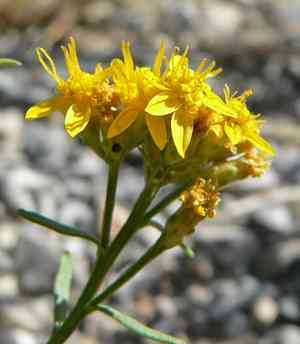
Originating from North America, Broom snakeweed (Gutierrezia sarothrae) flourishes in diverse settings, from arid grasslands to sandy soils. Its robustness and adaptability make it a favored option for gardeners seeking a low-maintenance yet durable plant. Categorized as hardy, Broom snakeweed can endure colder temperatures, making it an excellent choice for overwintering in most areas.
Preparing Broom snakeweed for Winter
When to Start Preparing
To ensure your Broom snakeweed is ready for the colder months, begin preparations in late autumn, typically around late October or early November. This timing allows the plant to gradually adjust to the decreasing temperatures.
Necessary Supplies
You'll need a few essential items to get your Broom snakeweed ready for winter. These include pruning shears, organic mulch (such as straw or bark chips), and breathable fabric covers like burlap. These materials will help shield the plant from harsh weather and temperature changes.
Steps to Overwintering Broom snakeweed
Pruning Techniques
Begin by trimming your Broom snakeweed to prevent any disease or pest infestations. Remove any dead or damaged stems and leaves, and consider a light trim to shape the plant. This pruning also helps reduce its overall size, making it easier to cover and protect.
Mulching Methods
Next, apply a layer of organic mulch around the plant's base. Aim for a depth of 5-7 cm (2-3 inches) to insulate the roots from freezing temperatures. Be careful not to pile the mulch too high up the stem, as this can lead to rot and other problems.
Covering and Protection
Using breathable fabric covers like burlap can provide extra protection against frost and snow. Drape the fabric over the plant and secure it at the base to keep it in place during windy conditions. This covering method helps maintain a consistent temperature around the plant while allowing air circulation.
Maintaining Broom snakeweed During Winter
Watering Needs
During winter, Broom snakeweed requires minimal watering. Ensure the soil remains slightly moist but not waterlogged. Overwatering can lead to root rot, compromising the plant's health. A light watering every 2-3 weeks should suffice, depending on your local climate conditions.
Checking for Pests
Regularly inspect your Broom snakeweed for any signs of pests or diseases. While winter pests are less common, occasional checks ensure any issues are quickly addressed. Look for signs of aphids or mites, and take appropriate action if necessary.
Reviving Broom snakeweed in Spring
Removing Winter Protection
As temperatures begin to rise in early spring, usually around late March or early April, you can start removing the winter protection. Remove the fabric covers first, followed by the mulch layer. This process allows the plant to acclimate to the warmer weather gradually.
Resuming Regular Care
Once the winter protection is removed, resume your regular care routine for Broom snakeweed. This includes normal watering, fertilization, and any necessary pruning to promote healthy growth. Regular maintenance ensures your plant thrives throughout the spring and summer months.



