How to Overwinter Silky oak
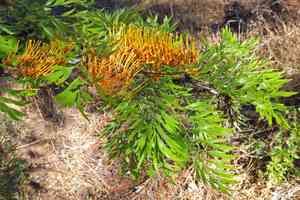
1
Silky oak trees (__ARTICLE_LATIN__) are susceptible to frost and need particular attention in colder periods.
2
Maintaining indoor humidity levels between 40-60% assists in avoiding leaf shedding for Silky oak trees.
3
Slowly reintroduce Silky oak trees outside in spring to avoid sudden environmental stress.
Why Overwintering Silky oak is Essential?
Why Overwintering Silky oak is Essential?
Winter conditions can be harsh for delicate plants like the Silky oak. Originating from Australia's warm regions, this tree flourishes in mild climates and can suffer greatly in colder environments. Overwintering is vital to shield it from frost damage. Without proper care, Silky oak trees might experience leaf shedding, stunted development, or even death. Taking measures to keep them healthy during colder months will not only preserve their beautiful appearance but also encourage vigorous growth in the subsequent growing season.
Preparing Silky oak for Overwintering
Pruning Tips to Facilitate Overwintering
Trimming your Silky oak before winter arrives helps the tree conserve energy and focus on maintaining its core vitality. Remove any dead, diseased, or weak branches. Perform a light trim to keep the desired form and enhance air circulation. Be careful not to over-prune, as this can stress the tree and make it more vulnerable to cold damage.
Cleaning and Inspecting for Pests and Diseases
Thoroughly check your Silky oak for any indications of pests or diseases before bringing it inside for the winter. Common pests to watch for include aphids, mealybugs, and spider mites. Use a gentle insecticidal soap if needed. Wiping the leaves with a damp cloth can help remove any lingering pests and dust, ensuring the plant stays healthy throughout the winter.
Ideal Indoor Conditions for Silky oak
Temperature and Humidity Requirements
Silky oak trees prefer temperatures ranging from 15°C to 22°C (59°F to 72°F). Maintaining a consistent indoor temperature is crucial to prevent stress. These trees also favor higher humidity levels, ideally between 40-60%. Use a humidifier or place a water tray near the plant to achieve the desired humidity.
Light Exposure and Placement
Position your Silky oak near a south or west-facing window where it can receive ample indirect sunlight. These trees require a lot of light to remain healthy. If natural light is insufficient, consider using a grow light for approximately 12-16 hours daily to provide the necessary brightness.
Watering and Fertilizing Needs
Water your Silky oak less frequently during the winter months, allowing the soil to dry out slightly between waterings. Excessive watering can lead to root rot. Ensure your pot has good drainage. Fertilize sparingly during winter, using a diluted balanced fertilizer once every 6-8 weeks to supply essential nutrients.
Common Issues When Overwintering Silky oak
How to Handle Leaf Drop
Leaf shedding can be common when Silky oak trees are moved indoors. To minimize this, try to maintain stable indoor conditions and avoid sudden changes in temperature or humidity. Should leaf drop occur, prune the affected areas to encourage new growth in the spring.
Preventing Root Rot
Overwatering is a primary cause of root rot in Silky oak trees during winter. Ensure the soil drains well and only water when the topsoil is dry. Also, make sure the pot has adequate drainage holes to prevent water from accumulating at the bottom.
Managing Pests and Mold Indoors
Indoor environments can sometimes attract pests and mold. Regularly inspect your Silky oak for signs of mold or pests. Use a mild fungicide if necessary and keep the indoor area clean and well-ventilated. Sticky traps can help manage insect pests.
When and How to Transition Silky oak Back Outdoors
Timing the Transition
Wait until there is no longer any risk of frost before moving your Silky oak back outdoors. Ideally, this should be done in late spring when temperatures consistently remain above 15°C (59°F). Sudden temperature drops can shock the plant and hinder its growth.
Gradually Reintroducing to Outdoor Conditions
Introduce your Silky oak to outdoor conditions progressively. Start by placing it in a shaded area for a few hours a day, gradually increasing the time and exposure to direct sunlight. This acclimatization process should take 1-2 weeks.
Reassessing and Pruning for New Growth
After moving your Silky oak back outdoors, re-evaluate its overall health and look for any signs of winter damage. Prune any dead or damaged branches to encourage new growth. Regular pruning will help maintain the tree's shape and promote healthier development.



