How to Overwinter Balloon plant
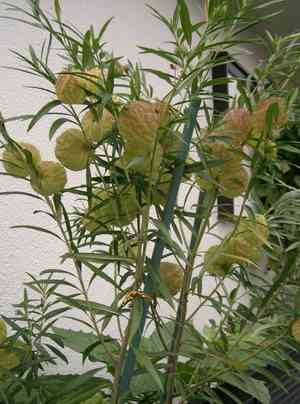
1
Balloon plants are susceptible to frost damage, needing additional attention in colder months.
2
Maintaining optimal conditions for Balloon plants over winter promotes vigorous growth in spring.
3
Inspect frequently for pests, even when plants are kept indoors for the winter.
What Does It Mean to Overwinter Balloon plant?
What Does It Mean to Overwinter Balloon plant?
Overwintering your Balloon plant means safeguarding it from harsh winter weather, ensuring its survival until spring. These plants are sensitive to frost and originate from warmer regions, making them vulnerable to cold. By relocating them indoors and providing optimal conditions, you can maintain their health and prepare them to flourish once temperatures rise.
Preparing Balloon plant for Overwintering
Pruning and Cleaning the Plant
Before bringing your Balloon plant inside, dedicate time to pruning and cleaning it. Start by removing any dead or damaged foliage and stems. Pruning helps reduce the plant's size, making it easier to manage indoors and promoting new growth in spring. Cleaning involves gently wiping the leaves with a damp cloth to eliminate dust and debris, which can harbor pests.
Checking for Pests and Diseases
Thoroughly inspect your Balloon plant for signs of pests and diseases before moving it indoors. Look for common pests such as aphids, spider mites, and whiteflies. If any are found, treat the plant with an appropriate insecticidal soap or natural remedy. Ensuring your plant is pest-free before overwintering will help prevent infestations from spreading indoors.
Ideal Indoor Conditions for Balloon plant Overwintering
Light Requirements
Balloon plants need sufficient light to thrive indoors during winter. Position your plant near a south-facing window where it can receive at least 6 hours of indirect sunlight daily. If natural light is insufficient, consider using a grow light to supplement the illumination and ensure the plant gets what it needs.
Temperature and Humidity
Maintaining the correct temperature and humidity levels is vital for your Balloon plant during winter. Keep the indoor temperature between 21-24°C (70-75°F) during the day and slightly cooler at night, but not below 15°C (59°F). To maintain adequate humidity, place a humidifier nearby or a tray with water and pebbles to increase moisture in the air.
Common Issues When Overwintering Balloon plant
Leaf Drop
Leaf drop is a frequent problem when overwintering Balloon plants. This can be due to stress from environmental changes, insufficient light, or overwatering. If you observe leaf drop, adjust the light conditions and ensure you are not overwatering the plant. Gradually acclimate the plant to indoor conditions to minimize stress.
Fungal Problems
Fungal problems can arise from high humidity and poor air circulation. To prevent this, ensure your Balloon plant has ample space around it for air to circulate and avoid wetting the leaves when watering. If fungal issues occur, treat the plant with a suitable fungicide and improve the plant's growing conditions.



