How to Overwinter Ground ivy
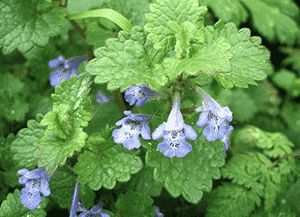
1
Ground ivy withstands some frost, establishing it as a winter-resilient plant.
2
Adequate soil preparation, ensuring proper drainage, is crucial for successful overwintering.
3
Applying mulch to Ground ivy aids in root insulation and moisture retention throughout winter.
Why Overwintering Ground ivy is Important?
Why Overwintering Ground ivy is Important?
Overwintering is a vital process for Ground ivy, guaranteeing its survival through harsh winter conditions and promoting healthy spring growth. This resilient perennial, native to Europe, is known for its toughness but still needs some attention to endure extreme cold. Proper overwintering also helps prevent common problems like root rot and pest outbreaks, giving the plant a better start to the growing season.
When Should You Start Preparing Ground ivy for Winter?
Optimal Timing for Winter Preparation
It's best to begin preparing Ground ivy for winter in late summer to early autumn. This allows the plant ample time to adjust to changing conditions and ensures necessary steps, such as soil enrichment and trimming, are finished before the first frost. You should start preparation around September or October, depending on your local climate.
Recognizing Seasonal Changes
Monitor weather forecasts and the typical frost dates in your region. When daytime temperatures consistently fall below 15°C (59°F) and nighttime temperatures approach freezing, it signals the time to start your winter preparation routine.
How to Prepare the Soil for Overwintering Ground ivy?
Soil Amendments and Nutrient Management
Before the cold arrives, it's important to enrich the soil where Ground ivy grows. Adding compost or aged manure can supply essential nutrients the plant will need to remain healthy through winter. Aim for a layer of about 5 cm (2 inches) of organic material mixed into the topsoil.
Ensuring Proper Drainage
Good drainage is crucial for Ground ivy to prevent root rot, especially during wetter winter months. Ensure the planting area drains well by potentially adding sand or grit to heavy clay soils, creating a soil environment where water can flow away efficiently.
Should You Prune Ground ivy before Winter?
Benefits of Pruning
Pruning Ground ivy before winter removes old, dead, or diseased foliage, allowing the plant to focus on conserving energy and nutrients. It also reduces places for pests to hide and survive the winter in dense growth.
Pruning Techniques
Use clean, sharp garden shears to cut back any overgrown or damaged stems. Trim the plant down to about 5 cm (2 inches) above the ground. This enables the plant to store energy in its roots instead of maintaining unnecessary leaves.
What Care Tips Ensure Ground ivy Thrives Over Winter?
Watering Guidelines
Water Ground ivy thoroughly before the first hard freeze to ensure its roots have sufficient moisture. However, reduce watering frequency during winter months as the plant won't be actively growing, and the soil should not become waterlogged.
Mulching and Insulation
Applying a layer of mulch around Ground ivy is an excellent way to insulate its roots and stabilize temperature. Use organic mulch like straw, leaves, or wood chips to create a 7-10 cm (3-4 inch) thick layer at the plant's base.
How to Inspect and Treat Ground ivy for Pests and Diseases?
Common Pests and Diseases
Ground ivy can be vulnerable to pests such as aphids and diseases like powdery mildew. Regularly check the plant for any signs of infestation, such as discolored leaves or visible insects.
Preventative Measures and Treatments
Before winter, remove any affected plant parts and dispose of them properly, away from the garden. Consider using natural treatments like neem oil or insecticidal soap for pest issues. Be sure to follow application instructions carefully for optimal results.
Can Ground ivy Grow Indoors During Winter?
Indoor Growing Conditions
Ground ivy can flourish indoors during winter if given proper care. Place it in a cool, well-lit area away from direct heat sources like radiators. Maintaining a room temperature around 15-20°C (59-68°F) is ideal.
Light and Temperature Requirements
Ensure the plant receives several hours of indirect sunlight daily. If natural light is insufficient, consider using a grow light to provide the necessary illumination. Keep the soil consistently moist, but prevent waterlogging by ensuring good drainage.



