How to Overwinter Snowdrop
1
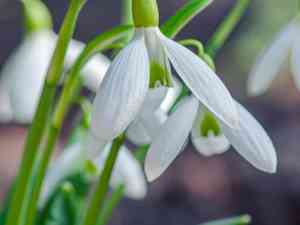
Snowdrops are among the first flowers to appear in spring, frequently emerging through snow to reveal their fragile white blossoms.
2
These resilient plants tolerate frost and benefit from a layer of mulch to protect their roots in colder periods.
3
Effective winter care for Snowdrops guarantees strong flowering and lush leaves come springtime.
The Importance of Overwintering Snowdrops
The Importance of Overwintering Snowdrops
Overwintering your Snowdrops is a vital step to ensure their robust return the following spring. Snowdrops (Galanthus nivalis) are known for their resilience to cold, but they still benefit from some assistance to remain healthy through winter. By preparing and protecting your plants, you invest in a vibrant and strong bloom display that will brighten your garden as winter recedes. Without proper overwintering, Snowdrops may suffer from weakened growth, frost damage, or reduced blooms, making springtime less spectacular.
Preparing Soil for Overwintering Snowdrops
Soil Enrichment Techniques
Enriching the soil is the initial step in readying your Snowdrops for winter. Well-drained, loamy soil rich in organic matter is ideal. Achieve this by incorporating compost or well-rotted manure (approximately 5-8cm or 2-3 inches). These organic materials enhance soil structure and nutrient availability, providing your Snowdrops a fertile base to endure winter stress. Additionally, maintaining slightly acidic to neutral soil (pH 6.0-7.0) will keep the plants thriving.
Mulching for Insulation
Mulching is an excellent method to insulate the root zone of your Snowdrops from harsh winter temperatures. Apply a thick layer of organic mulch, such as straw, wood chips, or leaf mold, about 5-7cm (2-3 inches) deep around the plant bases. This layer acts as a protective cover, preserving soil moisture and moderating soil temperature fluctuations. Ensure some space is left around the stem to prevent rot. Mulching not only aids your Snowdrops during winter but also enriches the soil as it breaks down, offering long-term advantages.
Common Errors to Avoid When Overwintering Snowdrops
Overwatering
A frequent error is overwatering. While maintaining adequate soil moisture is important, excessive watering can lead to waterlogged soil, which is harmful to Snowdrops. Too much water can suffocate roots, causing rot and poor plant health. Always ensure good soil drainage and only water when necessary, considering the plants' dormant state during winter.
Lack of Mulching
Another common oversight is neglecting to mulch. Skipping this step leaves Snowdrops susceptible to extreme temperature shifts and potential frost heave. Mulch acts as an insulator, reducing the risk of cold weather damage. Not mulching can also expose roots, making them prone to dehydration and nutrient loss. Therefore, applying a protective mulch layer is essential for successful overwintering.
Ignoring Pest Control
Pests can be an issue even in colder months. Ignoring pest control measures can result in infestations that harm bulbs and roots. Slugs, snails, and rodents may seek out the nutritious bulbs as food. Implementing preventative measures like traps, natural predators, or barriers can help deter these pests. Regularly inspect your plants and remove any visible threats to ensure healthy growth in spring.



