How to Overwinter Green ash
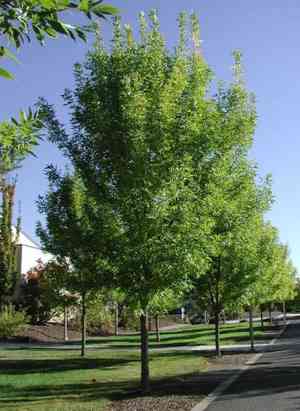
1
Green ash trees exhibit exceptional cold tolerance, allowing them to thrive in chilly environments.
2
Appropriate mulching aids in regulating soil warmth and hydration throughout the winter season.
3
Removing dead or infected branches prior to winter assists in averting potential tree ailments.
Why Overwintering Green ash is Important?
Why Overwintering Green ash is Important?
Preparing your Green ash tree for winter is crucial for its well-being and lifespan. Although these trees tolerate frost, proper measures can shield them from severe weather and typical winter problems. Overwintering a Green ash preserves its form and guarantees a robust beginning in spring.
Steps to Overwinter Green ash
Pruning and Cleaning
Begin by eliminating any dead, compromised, or infected branches. Pruning allows the tree to save energy in winter and lessens disease transmission. Utilize sanitized, sharp implements for precise cuts, preventing harm to the healthy sections of the tree.
Applying Mulch
Spreading a 5-10 cm (2-4 inch) layer of organic mulch around the base of your Green ash can greatly aid in maintaining soil moisture and warmth. Materials such as wood chips, straw, or shredded leaves are ideal. Ensure the mulch is evenly distributed but kept a few centimeters (inches) from the trunk to avoid rot.
Watering Requirements
Despite the chilly weather, it's vital to sufficiently water your Green ash before the ground hardens. Water the tree thoroughly, making sure the soil is damp but not saturated. A mature Green ash might require approximately 20-30 liters (5-8 gallons) of water per irrigation.
Frost Protection Techniques
Even though Green ash is resilient to frost, offering extra defense can be advantageous, particularly for younger trees. Employ burlap or frost cloths to encase the trunk and lower limbs. These coverings help safeguard the tree from drastic temperature shifts and strong gusts.



