How to Overwinter White ash
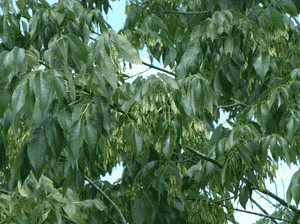
1
White ash tolerates cold well but needs particular attention in winter to maintain its health.
2
Appropriate mulching helps insulate White ash roots and shields them from harsh weather.
3
Checking for pests is vital in winter, as certain pests flourish in cold and can damage your tree.
Why Overwinter White ash?
Why Overwinter White ash?
Overwintering your White ash is vital for maintaining its health and resilience through colder months. While White ash is frost-hardy, specific care practices are needed for it to thrive when temperatures drop. Proper winter care minimizes frost damage, prevents pest issues, and ensures the tree receives necessary nutrients to stay robust. By proactively safeguarding your White ash, you can enjoy a healthy, vigorous tree come spring.
Ideal Conditions for Overwintering White ash
Temperature Requirements
Despite White ash's frost-hardiness, be mindful of extreme temperature shifts. The tree tolerates cold, but sudden drops below -18°C (0°F) can cause harm. Ideally, the tree should experience a gradual temperature decrease to help it adapt to winter conditions.
Soil and Mulching
Ensuring your White ash's soil is winter-ready is crucial. Begin by applying a 5-7.5 cm (2-3 inch) layer of organic mulch around the tree's base. This helps retain moisture, stabilize soil temperature, and prevent frost heave. Use materials like wood chips, bark, or straw. Avoid piling mulch against the trunk, as this can lead to rot.
Watering Needs
Correct watering practices are essential in winter. Before the ground freezes, deeply water your White ash to ensure roots are well-hydrated. During winter, water sparingly; excessive moisture can freeze and harm roots. Check soil moisture regularly and water only when it dries 2.5-5 cm (1-2 inches) below the surface.
Protecting White ash from Frost
Identifying Frost Damage
Frost damage on White ash typically appears as blackened or wilted leaves and stems. You might also observe bark cracks. Inspect your tree regularly for these signs, especially after a frost. Early detection aids in prompt action to lessen damage.
Preventative Measures
To prevent frost damage, consider using a tree wrap or burlap to shield the trunk and lower branches from extreme cold. Another effective method is to install a windbreak with stakes and burlap to block harsh winter winds. Additionally, applying anti-desiccant sprays can reduce moisture loss from leaves and stems.
Common Issues During Overwintering
Pests and Diseases
Pests like the emerald ash borer can pose a winter threat. Regularly inspect your White ash for signs of pest activity, such as bark holes or sawdust-like frass. Use appropriate treatments, like insecticidal sprays or trunk injections, to manage infestations. Fungal diseases can also emerge in damp conditions, so ensure good air circulation and remove any fallen debris around the tree.
Nutrient Deficiencies
Winter can worsen nutrient deficiencies in your White ash. Look for yellowing leaves or stunted growth as indicators. To counter this, apply a slow-release fertilizer designed for trees in the fall to provide essential nutrients throughout winter. This helps the tree maintain vigor and prepares it for a strong spring start.



