How to Overwinter Greenstem forsythia
1
Start preparations in late fall so Greenstem forsythia is prepared for the cold season.
2
Periodically inspect for cold damage and modify irrigation as necessary to preserve plant vitality.
3
Greenstem forsythia tolerates frost well but still benefits from extra winter safeguarding.
Why Overwinter Greenstem forsythia?
Why Overwinter Greenstem forsythia?
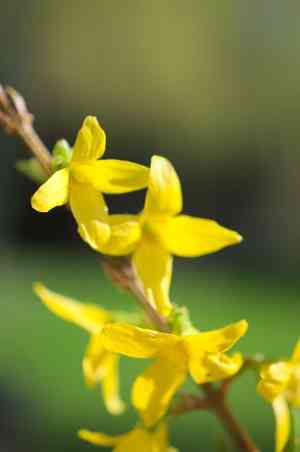
Overwintering is crucial for maintaining the vitality and lifespan of your Greenstem forsythia. This plant, cherished for its bright yellow blossoms that signal spring's arrival, requires proper care to endure the cold months. While Greenstem forsythia is tolerant of frost, taking measures to shield it from extreme winter conditions ensures its flourishing year after year.
Preparing Greenstem forsythia for Overwintering
When to Start Preparation?
The optimal period to begin readying your Greenstem forsythia for overwintering is in late autumn. As temperatures start to fall and you observe leaves beginning to drop, it indicates winter is approaching. Early preparation allows the plant to adapt and strengthens its resilience against the colder weather ahead.
Pruning Guidelines
Greenstem forsythia benefits from a thorough pruning before winter arrives. Remove any dead or diseased branches, and thin out dense areas to enhance air circulation. This not only aids the plant in conserving energy but also lowers the risk of fungal issues and pests establishing themselves during the damp, cooler periods.
Mulching Techniques
Mulching is one of the most effective strategies to safeguard Greenstem forsythia from the cold. Apply a thick layer of mulch (approximately 5-8 cm or 2-3 inches) around the plant's base. This insulates the roots, maintaining a consistent temperature and preventing the soil from freezing. Utilize organic mulch such as straw, pine needles, or shredded bark, as they also decompose and supply extra nutrients.
Protecting Greenstem forsythia from Frost
Covering with Frost Cloths
Frost cloths and blankets provide an additional layer of defense for Greenstem forsythia during severe winter nights. These breathable coverings trap warmth around the plant while still allowing moisture to escape. Secure the cloth with stakes or ties to ensure it remains in place during windy conditions.
Choosing the Right Location
The placement of your Greenstem forsythia can significantly impact its ability to withstand winter weather. Planting it in a protected spot, such as near a building or fence, can offer shelter from strong winds. Ensure the site receives ample sunlight, as this will help keep the plant warmer.
Monitoring Greenstem forsythia During Winter
Checking for Frost Damage
Regularly inspect your Greenstem forsythia for indications of frost damage. Look for withered or blackened leaves and stems. If you detect any damage, prune affected areas to prevent disease and encourage new growth in the spring.
Watering Needs
Even in winter, your Greenstem forsythia still requires water. However, its watering requirements will be considerably reduced. Periodically check the soil moisture, and water the plant if the soil is dry to a depth of 2-3 cm (1 inch). Be careful not to overwater, as excessive moisture can lead to root rot.
Preparing for Spring
Removing Winter Protection
As winter subsides and temperatures begin to climb, start removing any protective coverings and mulch from around your Greenstem forsythia. This helps prevent overly moist conditions as the soil warms and promotes vigorous new growth.
Early Spring Pruning
In early spring, your Greenstem forsythia will benefit from another round of pruning to remove any damaged wood and encourage denser growth. This is also an excellent time to shape the plant and promote more abundant blooms.



