How to Overwinter Rubber tree
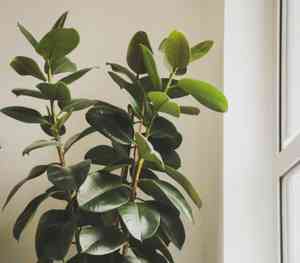
1
Rubber trees are sensitive to cold; relocate them indoors before temperatures fall below 10°C (50°F).
2
Confirm your Rubber tree receives a minimum of six hours of filtered sunlight when kept inside during colder months.
3
Excessive watering is a frequent problem in winter. Let the top 2.5 cm (1 inch) of soil become dry prior to re-watering.
The Importance of Overwintering Your Rubber tree
The Importance of Overwintering Your Rubber tree
Cold weather can be detrimental to your Rubber tree, a plant sensitive to frost. Its natural habitat is tropical, where temperatures remain consistently warm. When exposed to frost or temperatures below 10°C (50°F), the leaves of the Rubber tree may suffer damage or fall off, and the plant could go into shock or die. Overwintering your plant ensures it stays healthy and vibrant, ready to flourish again in the warmer months.
Preparing Your Rubber tree for Winter
Checking for Pests and Diseases
Before relocating your Rubber tree indoors for winter, thoroughly inspect it for any pests or diseases. Examine both sides of the leaves and the stem. Common pests include spider mites, mealybugs, and aphids. If you identify an infestation, treat it with insecticidal soap or neem oil before bringing the plant inside.
Trimming and Cleaning the Foliage
Trimming your Rubber tree helps it maintain a manageable size and encourages new growth. Remove any dead or yellowing leaves and branches. Cleaning the leaves with a damp cloth can also remove dust and pests, enabling the plant to photosynthesize more effectively indoors.
Adjusting Watering Habits
Your Rubber tree will require less water during the winter months. Overwatering can lead to root rot, so allow the top 2.5 cm (1 inch) of soil to dry out between waterings. Ensure your pot has good drainage to prevent water from accumulating at the bottom.
Repotting if Necessary
If your Rubber tree has outgrown its pot, consider repotting it before winter. Choose a pot that is only slightly larger than the current one to prevent the soil from becoming waterlogged. Use fresh potting soil to provide nutrients and good drainage.
Optimal Indoor Conditions for Overwintering
Indoor Temperature and Humidity Requirements
Keep your Rubber tree in a location where the temperature remains between 15-24°C (60-75°F). Avoid placing it near drafts or heating vents. Since indoor air can become dry in winter, maintain humidity levels around the plant by misting it regularly or using a humidifier.
Ensuring Sufficient Light Exposure
Place your Rubber tree where it will receive plenty of indirect sunlight, ideally about six hours a day. If natural light is insufficient, you can use a grow light. Avoid direct sunlight to prevent leaf scorch.
Providing Proper Air Circulation
Good air circulation is essential to prevent mold and mildew. Avoid overcrowding the plant with other indoor plants and ensure the room is well-ventilated. You can use a small fan to help circulate the air if needed.
Common Issues During Overwintering
Dropping Leaves
Leaf drop can be alarming but is often a response to the change in environment. Ensure you're not overwatering, and provide consistent care. As the plant adjusts, it will stabilize and produce new leaves.
Mold and Mildew Issues
High humidity and poor air circulation can lead to mold and mildew. To prevent this, ensure you are not overwatering and provide adequate space and airflow around the plant. If you notice mold, reduce humidity and prune affected areas.
Pest Infestations
Indoor conditions can attract pests such as spider mites and mealybugs. Regularly inspect your plant and use appropriate treatments, such as insecticidal soap, if necessary. Maintaining optimal indoor conditions will also help prevent infestations.
When and How to Transition Your Rubber tree Outside
Gradual Acclimatization
When the risk of frost has passed, usually when night temperatures stay above 10°C (50°F), start acclimatizing your Rubber tree to the outdoor environment. Begin by placing it in a sheltered, shady spot, gradually increasing its exposure to light and wind over a week or two.
Monitoring Spring Weather Conditions
Keep an eye on the weather forecast. Unexpected cold snaps can still occur in spring. If the temperature is predicted to drop below 10°C (50°F), bring your Rubber tree indoors temporarily until warmer conditions return.
Post-Winter Care Tips
Once your Rubber tree is acclimatized and stable outside, resume regular care. Increase watering frequency as temperatures rise and consider feeding the plant with a balanced fertilizer to stimulate growth. Regularly check for pests and keep providing the right light and humidity conditions.



