How to Overwinter Weeping fig
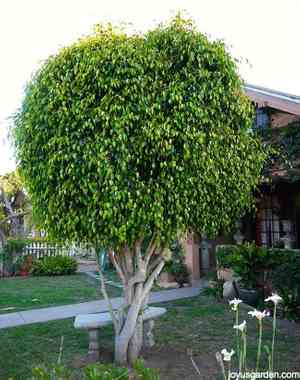
1
Ficus benjamina is susceptible to frost damage and cannot endure temperatures under 10°C (50°F). Bring it inside prior to the first frost.
2
Excessive watering is a frequent issue when keeping Ficus benjamina indoors for winter. Water minimally to avoid root decay.
3
Ficus benjamina thrives in ample, diffused light; insufficient illumination may lead to leaf shedding.
What is Overwintering Weeping fig?
What is Overwintering Weeping fig?
Overwintering Weeping fig involves taking measures to shield it from cold weather. As Weeping fig is a tender, frost-sensitive plant, it cannot endure low temperatures and must be moved indoors or into a controlled setting during winter. This process ensures your Weeping fig stays healthy and vibrant, ready to flourish again when warmer seasons return.
Why Weeping fig Needs Overwintering
Understanding Frost Sensitivity
Weeping fig is highly susceptible to frost. Temperatures below 10°C (50°F) can inflict significant harm, including leaf loss, bark splitting, and root damage. Grasping this sensitivity is vital for guaranteeing your plant survives winter unharmed.
Effects of Cold Weather on Weeping fig
Chilly weather can have detrimental impacts on Weeping fig. Exposure to temperatures below the plant's tolerance can induce physiological stress, leading to diminished health and increased susceptibility to pests and diseases. Leaves may yellow and fall, and the plant's overall growth might be stunted.
Preparing Weeping fig for Overwintering
Inspect for Pests and Diseases
Before bringing your Weeping fig indoors, thoroughly check it for pests and diseases. Look for common pests such as spider mites, aphids, and scale insects. Treat any infestations promptly to prevent their spread indoors.
Pruning and Cleaning
Pruning your Weeping fig helps manage its size and shape, making it more suitable for indoor spaces. Remove any dead, damaged, or diseased branches. Additionally, clean the leaves with a damp cloth to remove dust and any potential pests.
Choosing the Right Location
Select an appropriate indoor spot for your Weeping fig. Ideally, choose a location that offers bright, indirect light and is away from drafty windows or heating vents. A stable, moderate temperature environment is crucial for maintaining the plant's health during winter.
Indoor Care for Overwintered Weeping fig
Ideal Temperature and Humidity
Maintaining a consistent indoor temperature of approximately 18-24°C (65-75°F) is optimal for Weeping fig. Humidity levels should be moderate, around 40-60%. You can use a humidifier or place a water tray near the plant to boost humidity if necessary.
Watering Requirements
Weeping fig needs less water during the winter months. Water sparingly, ensuring the soil remains slightly moist but not saturated. Overwatering can lead to root rot, so it's better to lean towards slight dryness.
Light Conditions
Position your Weeping fig in an area with bright, indirect light. Avoid direct sunlight, as it can scorch the leaves. If natural light is limited, consider using a grow light to supplement the plant's light needs.
Common Issues and Solutions During Overwintering
What to Do if Leaves Drop?
Leaf drop is a frequent problem when overwintering Weeping fig. If this occurs, check for consistent watering and adequate light. Adjusting these factors often helps minimize leaf loss. Remember, some leaf drop is normal as the plant adapts to a new environment.
How to Handle Pests
Indoor environments can sometimes harbor pests. If you notice pests like spider mites or aphids, treat them with insecticidal soap or neem oil. Regularly inspect your Weeping fig to catch any infestations early.
Managing Overwatering or Underwatering
Overwatering is the most common error made with Weeping fig. Ensure the soil has proper drainage and only water when the topsoil feels dry to the touch. Conversely, underwatering can cause the plant to dry out, so maintain a balanced watering schedule.



