How to Overwinter Red Fescue
1
Red Fescue tolerates cold well, making it ideal for colder regions.
2
Proper soil preparation is vital for Red Fescue to survive winter successfully.
3
Consistent observation during winter helps avoid lasting harm to your Red Fescue turf.
Understanding Red Fescue Overwintering Needs
Understanding Red Fescue Overwintering Needs
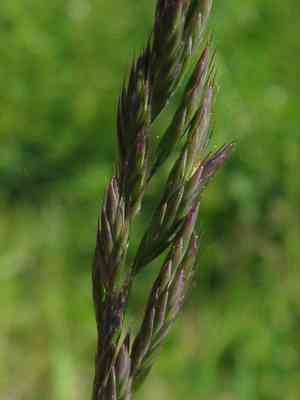
Red Fescue (Festuca rubra) is a perennial grass species known for its resilience and adaptability. As a cool-season grass, it thrives in cooler temperatures and can withstand relatively harsh winter conditions. However, to ensure your Red Fescue lawn looks its best come spring, it's essential to take certain steps to help it overwinter successfully.
Preparing Red Fescue for Winter
Soil Preparation
Soil preparation is the foundation of a healthy overwintering process for Red Fescue. Start by aerating the soil during late autumn. Aeration helps improve soil drainage and allows roots to receive essential nutrients and oxygen. Follow with an application of fall-specific fertilizer high in potassium to strengthen the root system.
Watering Guidelines
Proper watering is crucial for helping Red Fescue transition into dormancy. Reduce watering gradually as temperatures drop, but ensure the soil remains slightly moist. Watering deeply but less frequently (around 2.5 cm or 1 inch per week) encourages deeper root growth, making the grass more resilient to cold.
Mowing Tips
Mowing practices in late fall also play a significant role in preparing Red Fescue for winter. Slowly lower your mowing height over a few mowing sessions to about 2.5-5 cm (1-2 inches). Shorter grass helps prevent the buildup of mold and fungal diseases that thrive in longer grass during wet winter conditions.
Fertilization
Applying the right fertilizer in late autumn can help Red Fescue build reserves for winter. Opt for a slow-release, nitrogen-rich fertilizer to promote robust growth and prepare the lawn for a quick revival in spring. Always follow the manufacturerâs guidelines for the correct application rate and timing.
Protecting Red Fescue During Winter
Mulching Strategies
Mulching can provide an extra layer of protection against extreme cold. Use a thin layer of mulch made from organic materials such as shredded leaves or compost. This will help insulate the soil and maintain a more stable temperature around the grass roots.
Snow Management
Proper snow management is vital for the health of your Red Fescue lawn. Avoid piling heavy snow on the grass, as this can lead to compaction and subsequent damage. If possible, redistribute large snowdrifts to maintain an even coverage and prevent ice from forming layers that could suffocate the grass.
Monitoring Red Fescue Health Through Winter
Checking for Diseases
Regularly check your Red Fescue lawn for signs of disease during winter. Watch out for mold, fungal growth, and other common winter diseases. Early detection and treatment can prevent minor issues from becoming major problems.
Assessing Frost Damage
Assess frost damage to your Red Fescue by examining the grass blades. While brown tips and some discoloration are normal, large patches of dead grass may indicate a deeper problem. Addressing these issues promptly can help mitigate long-term damage.
Post-Winter Recovery
As spring approaches, begin preparing for your Red Fescue lawn's recovery. Gradually increase watering and consider applying a spring fertilizer to encourage new growth. Lightly rake the lawn to remove debris and allow sunlight to penetrate the soil, promoting a healthier, more vibrant lawn.



