How to Overwinter Paperplant
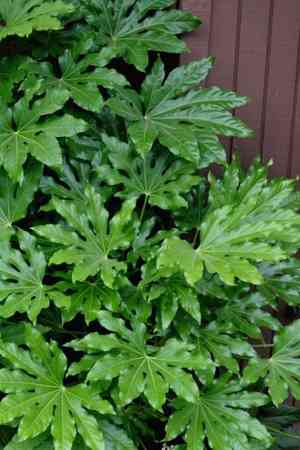
1
Paperplant __ARTICLE_LATIN__ is able to withstand temperatures down to -12°C (10°F).
2
Confirm adequate winter irrigation to avoid excessive watering and saturated soil.
3
Applying mulch aids in protecting the roots of your Paperplant during chilly periods.
Optimal Winter Temperature for Paperplant
Optimal Winter Temperature for Paperplant
Paperplant (Fatsia japonica) is a resilient plant capable of enduring quite cold conditions, making it a great option for gardeners in various climates. It can withstand temperatures down to -12°C (10°F). However, for peak health, especially if cultivated outside its typical hardiness zones, maintaining temperatures above this point is advantageous. During severe or prolonged cold spells, extra protective measures can ensure your Paperplant flourishes through winter.
Preparing Paperplant for Winter: Key Steps
Watering Requirements
During the winter months, your Paperplant's watering needs will significantly decrease. Water the plant sparingly to prevent overly wet soil, which can cause root rot. Allow the topsoil to dry out before the next watering, typically meaning irrigation every two to three weeks, depending on indoor humidity and temperature.
Mulching for Insulation
Mulching is an excellent method to safeguard your Paperplant during winter. Apply a 5-10 cm (2-4 inch) layer of organic mulch around the plant's base. Materials such as compost, straw, or bark chips act as superb insulators, helping to retain soil moisture and maintain a consistent temperature around the root zone, protecting it from extreme cold.
Pruning Tips
Extensive pruning of Paperplant should be avoided as winter approaches, as it can stress the plant. Lightly trim any dead or damaged leaves to reduce disease risk and improve air circulation. Postpone major pruning tasks until spring when the plant is actively growing.
Covering Techniques
For added protection during freezing temperatures, consider covering your Paperplant with frost cloths or horticultural fleece. This covering should be secured to prevent wind displacement, ensuring it effectively traps heat while still allowing the plant to breathe. Avoid plastic covers as they can trap moisture and lead to fungal issues.
Common Winter Issues and Solutions
Frost Damage
Frost damage appears as blackened or wilted leaves. To prevent it, ensure you follow proper covering techniques and avoid exposing the plant to sudden temperature drops. If frost damage occurs, refrain from trimming affected parts until warmer weather returns.
Waterlogged Soil
Winter rains can sometimes lead to waterlogged soil, which is harmful to the Paperplant. Ensure the soil drains well and slightly elevate potted Paperplant to improve drainage. Regularly check soil moisture levels and adjust your watering schedule accordingly.
Pest and Disease Prevention
Winter can sometimes bring pests like spider mites or fungal diseases due to enclosed environments and reduced air circulation. Regularly inspect your Paperplant for any signs of pests or diseases and treat promptly with appropriate organic fungicides or insecticidal soaps as needed.



