How to Overwinter Leopard plant
1
Leopard plants tolerate cold and can endure temperatures as low as -10°C (14°F).
2
Water Leopard plants minimally in winter to avoid root decay.
3
Remove dead foliage to lessen the chance of pests and illnesses.
Leopard plant Cold Tolerance Overview
Leopard plant Cold Tolerance Overview
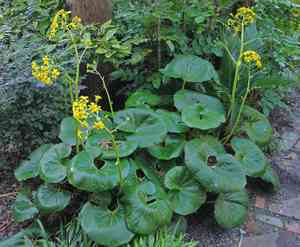
The Leopard plant, originating from Japan, is recognized for its large, circular leaves adorned with striking yellow spots. A key aspect of its care, particularly in colder regions, involves comprehending its frost resilience. The Leopard plant can withstand temperatures as low as -10°C (14°F), meaning it can endure light frost. However, prolonged periods of freezing temperatures may harm its foliage. Providing some protection is vital to ensure your plant flourishes throughout the winter.
Preparing Your Leopard plant for Winter
When to Begin Preparation
Start preparing your Leopard plant for winter once temperatures consistently fall below 10°C (50°F). This allows the plant sufficient time to adapt and be ready for the colder months ahead.
Best Spot for Wintering
The ideal spot for wintering your Leopard plant varies by region. In areas with mild winters, leaving the plant outdoors with some protection may be enough. For colder regions, consider relocating it to a sheltered area, such as a greenhouse or indoors near a bright window. Ensure the location receives indirect sunlight and stays cool but not freezing.
Trimming and Tidying
Before winter arrives, trim any dead or damaged leaves from your Leopard plant. This not only enhances its look but also lowers the risk of pests and diseases. Gently clean the plant, removing any debris from its base.
Typical Wintering Problems and Remedies
Controlling Pests and Illnesses
Pests like aphids and spider mites can still impact the Leopard plant during winter. Regularly check your plant for any signs of infestation. If you notice any pests, remove them by hand or treat the plant with a gentle insecticidal soap. Preventing moisture around the plant in winter also helps deter fungal diseases.
Avoiding Frost Damage
Frost damage can be a major concern for Leopard plants. To safeguard your plant, consider using frost cloths or blankets during extremely cold nights. For outdoor Leopard plants, applying mulch around the base can offer additional insulation to the roots, preventing frost from penetrating too deeply.



