How to Overwinter Spotted Joe-Pye weed
1
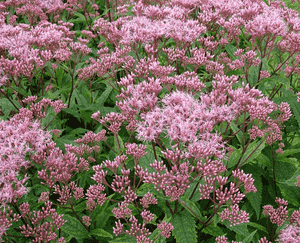
Spotted Joe-Pye weed is a perennial that tolerates cold, making it suitable for gardens in cooler regions.
2
To overwinter Spotted Joe-Pye weed, employ methods like trimming, applying mulch, and shielding it from severe cold.
3
Observing your plant in winter can aid in avoiding problems such as insect outbreaks and excessive watering.
What is Overwintering and Why is it Important for Spotted Joe-Pye weed?
What is Overwintering and Why is it Important for Spotted Joe-Pye weed?
Overwintering refers to the process of preparing plants to endure the cold winter months. For Spotted Joe-Pye weed, a perennial that tolerates frost, this procedure is vital for ensuring its survival and health in the spring. While Spotted Joe-Pye weed can withstand low temperatures, proper winter care can boost its resilience and promote vigorous growth in the subsequent season.
Steps to Prepare Spotted Joe-Pye weed for Winter
Pruning and Cleaning
Start by cutting back the stems of your Spotted Joe-Pye weed to approximately 15-20 cm (6-8 inches) above the ground. Remove any diseased or dead foliage to prevent pests and diseases from surviving winter in the plant debris. Clearing the area around the plant also helps reduce hiding spots for pests.
Mulching
Apply a thick layer of mulch around the plant's base. A 5-10 cm (2-4 inch) layer of organic mulch, such as straw, shredded leaves, or wood chips, will help insulate the roots and maintain soil moisture. Mulching also prevents temperature fluctuations that can harm the plant's roots.
Watering
Watering requirements decrease as temperatures fall, but it's important to thoroughly water your Spotted Joe-Pye weed before the ground freezes. This ensures the roots have sufficient moisture to sustain the plant through winter. Avoid overwatering, as waterlogged soil can lead to root rot.
Protecting Spotted Joe-Pye weed from Extreme Cold
Using Frost Cloths or Covers
In regions with harsh winters, using frost cloths or specialized plant covers can provide an extra layer of protection. Drape the cloth over the plant and secure it to the ground to trap heat. This can be particularly useful during unexpected cold spells.
Building a Temporary Greenhouse
If you are facing especially severe winter conditions, consider constructing a temporary greenhouse around your Spotted Joe-Pye weed. This can be as simple as using PVC pipes and clear plastic to create a hoop house. This structure will help maintain a more stable and warmer environment for the plant.
Monitoring Spotted Joe-Pye weed During Winter
Inspecting for Pests and Diseases
Regular inspection during winter is essential. Check for signs of pests or diseases, as these can spread rapidly in the confined spaces created by mulch and covers. Look for any unusual spots, mold, or insect activity and address them promptly.
Adjusting Watering Needs
Monitor the soil's moisture level. If it's dry a few centimeters (inches) below the surface, water lightly. The goal is to prevent the soil from completely drying out, without overwatering. Use less water than you would during the growing season.
Bringing Spotted Joe-Pye weed out of Dormancy
Gradual Exposure to Sunlight
As winter begins to recede, gradually expose your Spotted Joe-Pye weed to more sunlight. Start by removing protective covers for a few hours each day and progressively increase the exposure time. This will help prevent shock and acclimate the plant back to its normal growing conditions.
Resuming Regular Care Routine
Once the risk of frost has passed, remove any remaining mulch and prune away any winter-damaged stems. Resume your usual watering and fertilizing routine to encourage new growth. Your Spotted Joe-Pye weed will be ready to flourish in the warmer months ahead.



