How to Overwinter Pencil cactus
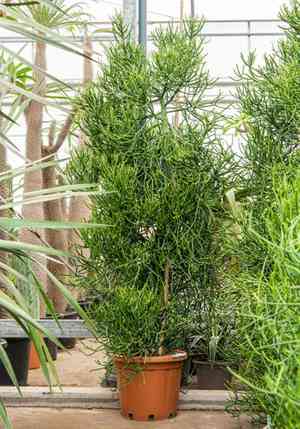
1
The Pencil cactus, despite its designation, is not a genuine cactus but belongs to the succulent group.
2
Pencil cactus are sensitive to cold and must be moved indoors when temperatures drop below 10°C (50°F).
3
Excessive watering is a frequent problem encountered when Pencil cactus are overwintered.
Why Overwintering Pencil cactus is Important?
Why Overwintering Pencil cactus is Important?
Bringing your Pencil cactus indoors during colder months is crucial for its survival. This plant is sensitive to frost, meaning it cannot endure temperatures below 10°C (50°F). Exposure to such cold can cause severe harm or even death. Overwintering ensures your Pencil cactus stays healthy and continues to flourish annually. It also allows for more effective monitoring and control of environmental factors, reducing pest and disease risks.
Preparing Your Pencil cactus for Overwintering
Inspecting for Pests and Diseases
Before moving your Pencil cactus indoors, thoroughly check it for any signs of pests or diseases. Look for tiny insects, discolored spots, or unusual marks on the plant. Common pests include spider mites and mealybugs. Use a magnifying glass if needed for a detailed check. If you find any issues, treat the plant with suitable insecticides or fungicides. This step is vital to prevent infestations from spreading to your other indoor plants.
Pruning and Cleaning the Plant
Cleaning your Pencil cactus before bringing it inside helps remove accumulated dust, debris, or dead plant material. Use sterilized pruning shears to trim away any dead or yellowing stems. Wipe down the stems with a damp cloth to remove surface dirt. This will not only benefit the plant's health but also enhance its appearance as part of your indoor greenery.
Ideal Indoor Conditions for Pencil cactus Overwintering
Temperature and Humidity Needs
The Pencil cactus prefers a warm and arid environment. Maintain indoor temperatures between 18-24°C (65-75°F) and avoid cooler areas like basements or drafty windowsills. Humidity levels should be relatively low, as high humidity can lead to fungal problems. If necessary, use a dehumidifier to keep the air dry.
Lighting Requirements
Sufficient light is essential for the Pencil cactus during its overwintering period. Position the plant in a south-facing window where it can receive bright, indirect sunlight. If natural light is inadequate, consider using grow lights designed for succulents. Aim for at least 6 hours of light exposure daily to mimic its natural habitat.
Watering Guidelines
Overwatering is a common error that can be harmful to your Pencil cactus. During winter, the plant's growth slows, meaning it needs less water. Allow the soil to dry out completely between waterings. When you do water, do so sparingly, ensuring excess water drains away to prevent root rot. A good guideline is to water once every 3-4 weeks during the overwintering period.
Common Issues When Overwintering Pencil cactus
Signs of Overwatering and Underwatering
Recognizing the indicators of overwatering and underwatering can protect your Pencil cactus from severe damage. Overwatered plants may develop yellowing stems and root rot, with a soft, mushy texture. Underwatered plants, conversely, will exhibit shriveled or wrinkled stems. Adjust your watering schedule accordingly if you observe these symptoms.
Handling Pest Infestations
Despite your best efforts, pests can sometimes appear. If you notice any pests like spider mites or mealybugs, isolate the plant immediately to prevent the infestation from spreading. Use insecticidal soap or neem oil to treat the affected areas. Regular monitoring will help you detect and address infestations early.
Managing Insufficient Light Exposure
Inadequate light can cause your Pencil cactus to become leggy and weak. If you observe the plant stretching towards the light source or its vibrant color fading, it may not be receiving enough light. Reconfigure your setup to place it in a brighter location or supplement with artificial grow lights.
When and How to Transition Pencil cactus Back Outdoors
Gradual Reintroduction to Outdoor Conditions
When the weather warms and nighttime temperatures consistently remain above 10°C (50°F), it's time to begin transitioning your Pencil cactus back outdoors. Gradually acclimate the plant to the outdoor environment by placing it outside for a few hours each day, progressively increasing the duration over 1-2 weeks. This helps the plant adjust without experiencing shock.
Ideal Timing for Transition
The best time to move your Pencil cactus back outdoors is in late spring to early summer when the risk of frost has passed. Monitor local weather conditions and ensure temperatures remain stable before making the transition. A sudden cold snap can undo all your careful overwintering work, so it's better to proceed with caution.



