How to Overwinter Crown of thorns
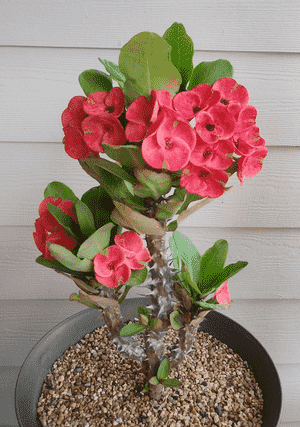
1
Crown of thorns flourishes in temperatures ranging from 18-24°C (65-75°F).
2
This plant requires a minimum of 4-6 hours of direct sun exposure daily.
3
Prevent excessive watering; allow the soil to become dry between irrigations.
The Importance of Overwintering Crown of thorns
Why Overwintering Crown of thorns is Important?
Overwintering Crown of thorns is vital for maintaining the plant's health and vigor through colder periods. As a tropical species, Crown of thorns is sensitive to frost and cannot endure freezing temperatures. By implementing overwintering strategies, you shield the plant from the detrimental effects of cold weather, such as leaf loss, root damage, or even demise. Proper overwintering can revitalize the plant, preparing it to re-bloom once spring arrives.
Optimal Conditions for Overwintering Crown of thorns
Temperature Requirements
Maintaining the correct temperature for Crown of thorns is crucial. The ideal temperature range for overwintering this plant is between 18-24°C (65-75°F). It is essential to prevent exposure to drafts or sudden temperature drops, as these can cause stress and negatively impact its development. If nighttime temperatures in your region begin to drop below 13°C (55°F), it is advisable to move the plant indoors to a more stable environment.
Light Conditions
Adequate lighting is another critical factor for successfully overwintering Crown of thorns. This plant needs at least 4-6 hours of direct sunlight daily. Position it near a south-facing window to ensure it receives sufficient light. If natural light is insufficient, consider using supplemental grow lights. Maintaining ample light exposure helps the plant continue photosynthesis and prevents elongated, weak growth.
Humidity Levels
Humidity management is key, as indoor environments often become dry during winter. Crown of thorns thrives in moderate humidity levels, around 40-60%. To achieve this, you can use a humidifier nearby or place a pebble tray filled with water beneath the plant. This will help replicate the plantâs natural habitat and prevent it from drying out. Avoid directly misting the foliage, as this can lead to fungal problems.
Tips for Maintaining Crown of thorns Health During Winter
Watering Guidelines
During winter, Crown of thorns requires less water due to reduced growth. Allow the soil to completely dry out between watering sessions. Excessive watering can lead to root rot, which is harmful to the plant's well-being. Water sparingly, approximately every 2-3 weeks, ensuring the pot has good drainage to prevent excess moisture accumulation.
Fertilizing Tips
In winter, the nutritional needs of Crown of thorns decrease. It is best to reduce or even cease fertilization during this period. If you choose to fertilize, use a diluted, balanced liquid fertilizer no more than once a month. This helps prevent over-fertilization, which can cause salt buildup in the soil and damage the plantâs roots.
Regular Inspections
Periodically check your Crown of thorns for indications of pests, diseases, or water stress. Inspecting the plant weekly allows for early detection of issues and prompt corrective action. Look for signs such as yellowing leaves, sticky residue, or webbing, which suggest pest infestations. Early intervention can prevent minor issues from escalating into significant problems.



