How to Overwinter Wintercreeper
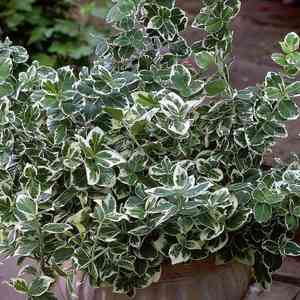
1
Apply a layer of mulch approximately 5-7.5 centimeters (2-3 inches) thick to adequately insulate the ground.
2
Before winter, trim any dead or excessively dense branches from Wintercreeper.
3
Using frost cloths can elevate the plant's surrounding temperature by 2-4°C (3.6-7.2°F).
Why Overwinter Wintercreeper?
Why Overwinter Wintercreeper?
Overwintering Wintercreeper, a robust and adaptable groundcover or climbing plant, is vital for its survival through cold periods. Although this evergreen species is tolerant of frost, proper care ensures its vibrant foliage and strong development. By overwintering, you are essentially preparing your plant to endure freezing temperatures and environmental stresses associated with winter.
Preparing Wintercreeper for Winter
Cleaning and Pruning
Before winter's onset, clean and trim your Wintercreeper. Remove any dead or diseased leaves to prevent pests and illnesses from surviving on the plant. Cut back any overcrowded or weak branches to enhance air circulation. This not only aids the plant's health but also improves its aesthetic appeal in your garden. Pruning should occur in late autumn when the plant enters dormancy.
Mulching and Soil Care
Mulching is a crucial step in readying Wintercreeper for winter. Apply a layer of mulch around the plant's base, approximately 5-7.5 centimeters (2-3 inches) deep. This insulates the soil, keeping it warmer and retaining moisture. Organic mulches such as straw, leaves, or wood chips are excellent choices. Additionally, ensure the soil drains well to prevent waterlogging, which can lead to root rot.
Protecting Wintercreeper from Frost
Using Frost Cloths
During particularly cold evenings, utilize frost cloths to safeguard your Wintercreeper. Cover the plants with these fabrics to create a barrier against frost. Frost cloths can elevate the temperature around the plant by 2-4°C (3.6-7.2°F), which can be critical in averting frost damage. Ensure the cloth is firmly secured to prevent it from being blown away by the wind.
Choosing Optimal Planting Locations
If you are planting Wintercreeper for the first time or considering moving it, select an ideal spot. Placing Wintercreeper in a location protected from strong winds and with ample sunlight exposure can help it better withstand winter. South-facing walls or sheltered areas in your garden are perfect as they offer natural warmth and protection.
Effective Recovery Steps Post-Winter
Pruning Damaged Areas
Once the danger of frost has passed, examine your Wintercreeper for any winter damage. Trim back the affected sections to encourage new growth. Use sharp, clean pruning shears and cut back to healthy tissue. This helps the plant recover more quickly and promotes a denser, healthier appearance.
Fertilizing for New Growth
After pruning, give your Wintercreeper a boost by enriching the soil. Use a balanced fertilizer to supply essential nutrients that will aid the plant's recovery and stimulate new growth. A slow-release fertilizer is ideal as it provides a consistent supply of nutrients over time. Water the plant thoroughly after fertilizing to help the nutrients penetrate the soil.



