How to Overwinter American Strawberry bush
1
The American Strawberry bush is resilient, enduring harsh winter conditions when properly maintained.
2
Applying mulch provides insulation for roots against extreme temperatures.
3
Frequent checks are crucial for detecting and addressing winter-related harm.
Understanding the American Strawberry bush
Understanding the American Strawberry bush
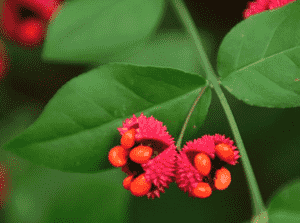
The American Strawberry bush (Euonymus americanus) is a deciduous shrub recognized for its appealing, strawberry-like red seed pods. It originates from the southeastern United States and typically thrives in shaded, damp woodland environments. This plant can reach heights of up to 1.8 meters (6 feet) and flourishes both as an ornamental garden plant and in naturalized settings. As colder months approach, ensuring the survival and vitality of your American Strawberry bush necessitates some preparation and care.
Why Overwintering is Important
Protection from Extremely Harsh Winters
While the American Strawberry bush is frost-hardy, severe winter conditions can still pose a risk. Intense winters may cause physical harm to branches and roots, leading to stunted growth or even the plant's demise. By taking measures to safeguard the bush, you preserve its health and vigor.
Ensuring Healthy Spring Growth
Overwintering is crucial for the plant to rebound with robust and healthy growth in the spring. Proper winter care establishes the groundwork for a lush, thriving bush that can continue to flourish annually. Without it, your plant might suffer from inhibited growth or fail to produce its characteristic beautiful seed pods.
How to Prepare American Strawberry bush for Overwintering
Pruning and Cleaning
Begin by pruning your American Strawberry bush in late autumn. Remove any dead or diseased branches, which can serve as entry points for pests or illnesses. Clearing fallen leaves and debris from around the plant's base is also vital, as this helps prevent pests and fungal diseases from overwintering.
Mulching Techniques
Apply a thick layer of mulch, approximately 5-7.5 centimeters (2-3 inches) deep, around the plant's base. Mulch acts as an insulating layer that shields the roots from freezing temperatures. Utilize organic materials such as straw, shredded leaves, or wood chips. In extremely cold climates, consider mounding extra soil or mulch around the plant's base for added protection.
Ideal Conditions for Overwintering
Optimal Temperature Range
The American Strawberry bush can withstand a variety of temperatures. However, to ensure its winter survival, maintaining a ground temperature between -7°C to 5°C (20°F to 41°F) is optimal. In areas prone to severe cold snaps, additional protection like burlap coverings or cold frames might be necessary.
Soil and Moisture Requirements
Keep the soil consistently moist but not waterlogged throughout the winter. Ensure adequate drainage to prevent root rot, which can be fatal in freezing conditions. Periodically check the soil moisture level, especially during extended dry periods, and water as needed. Mulching also aids in retaining soil moisture.
Monitoring and Maintenance Throughout Winter
Regular Inspections
Regularly inspect your American Strawberry bush for signs of damage from cold or pests. Look for cracked branches, discolored leaves, or evidence of animal browsing. Early detection of problems can avert more serious issues, allowing you to take prompt corrective actions.
Adjustments for Extreme Weather
Be prepared to make modifications during extreme weather conditions. For prolonged cold spells, consider using burlap covers to wrap the bush or adding extra mulch. For unusually warm periods, closely monitor soil moisture and remove some mulch to prevent overheating of the roots.



