How to Overwinter Burning bush
1
Burning bush tolerates cold well, enduring temperatures down to -25° C (-13° F).
2
Trimming your Burning bush in late winter promotes robust development for the upcoming spring season.
3
Applying a 5-8 cm (2-3 inches) layer of organic mulch can shield your Burning bush's roots from severe cold.
Is the Burning bush Frost Hardy?
Is the Burning bush Frost Hardy?
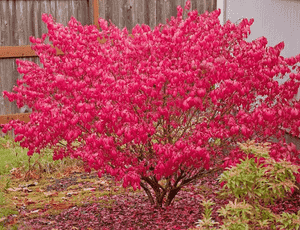
Before exploring how to prepare your Burning bush for winter, let's discuss its ability to withstand cold. The Burning bush (Euonymus alatus) is celebrated for its vivid red autumn leaves and shows considerable resilience to lower temperatures. This species is robust in USDA zone 4, meaning it can flourish in conditions as cold as -34° C (-30° F). Essentially, the Burning bush is tolerant of frost and can endure severe winter climates, making it an excellent choice for gardens in colder regions.
Preparing Burning bush for Winter
Pruning Techniques
Trimming your Burning bush in late winter or early spring is vital for maintaining its form and promoting vigorous development. Begin by removing any dead or compromised branches. Utilize sharp, clean pruning shears for precise cuts. Focus on establishing an open structure to facilitate air movement, which can help deter fungal infections. If your Burning bush has become too large, you can cut it back more significantly, but always leave some healthy buds for new growth.
Soil Preparation
Proper soil preparation is crucial for your Burning bush to survive the winter. Ensure the soil drains well and is rich in organic material. You can enrich your soil with compost or aged manure to enhance its texture and fertility. Before the initial hard frost, thoroughly water your plant to ensure its roots are well-hydrated for winter. This will help the plant better endure cold temperatures.
Mulching Tips
Applying mulch is an effective method to shield the roots of your Burning bush from extreme cold. Spread a 5-8 cm (2-3 inch) layer of organic mulch, such as shredded leaves, straw, or wood chips, around the base of the plant. This mulch acts as an insulating layer, keeping the soil temperature more stable and preventing frost heave. Be sure to keep the mulch a few centimeters away from the trunk to avoid rot.
Watering Requirements During Winter
Watering Requirements During Winter
While Burning bush is relatively tolerant of dry conditions, it still requires sufficient moisture during the winter months. Watering should be done thoroughly before the ground freezes to fully hydrate the roots. Once the ground is frozen, additional watering is generally not necessary. In milder climates where the ground does not freeze solid, occasional watering might be needed during prolonged dry spells. Always monitor the soil's moisture level and water accordingly to prevent both drought stress and waterlogging.
Protecting Burning bush from Extreme Conditions
Frost Protection Strategies
Although the Burning bush is frost hardy, sudden drops in temperature can still cause some damage, especially to young plants. To provide extra protection, you can wrap the plant in burlap or horticultural fleece when severe cold is predicted. This covering will shield the plant from harsh winds and prevent frost from settling directly on the branches.
Wind Barriers
Strong winter winds can dehydrate and harm your Burning bush. Erecting a wind barrier, such as a temporary fence or using stakes and burlap to create a windscreen, can offer protection. This is particularly important in open or exposed areas where wind can be especially harsh. Position the wind barrier on the windward side of the plant to effectively reduce wind impact.
Temperature Monitoring
Keeping an eye on the weather forecast and monitoring the temperatures around your Burning bush can help you take proactive steps to protect it. Use a garden thermometer to track soil and air temperatures. If temperatures are expected to drop significantly, consider adding extra mulch or coverings. Consistent monitoring allows you to act quickly to protect your plant from unexpected cold snaps.
Common Problems and Solutions
Dealing with Frost Damage
Despite your best efforts, frost damage can sometimes occur. You'll recognize frost damage by blackened or wilted leaves and branches. If this happens, wait until late winter or early spring to prune away any damaged parts. This prevents additional stress on the plant and encourages healthy new growth once the temperatures rise.
Pests and Diseases
Winter can be a time when pests and diseases take hold if plants are weakened. Check your Burning bush regularly for signs of pests like scale insects or diseases like powdery mildew. Treat any infestations promptly with appropriate organic or chemical controls. Ensuring good air circulation through proper pruning and avoiding waterlogged soil can help prevent many of these issues.



