How to Overwinter Torch Ginger
1
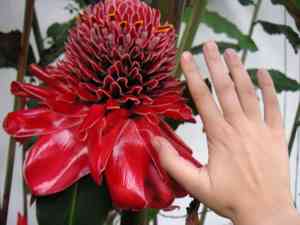
Torch Ginger originates from tropical areas and is sensitive to frost.
2
Trim Torch Ginger prior to moving it indoors to minimize plant shock.
3
Keep indoor humidity between 60-70% for the plant's best condition.
Why Torch Ginger Needs Special Care in Winter
Why Torch Ginger Needs Special Care in Winter
As a tropical plant from warm regions, Torch Ginger is delicate and very vulnerable to cold. It thrives best in temperatures between 20-30°C (68-86°F). When temperatures drop below 10°C (50°F), Torch Ginger can be harmed or even die. Unlike hardier plants, Torch Ginger cannot withstand freezing, making specific winter care vital for its survival.
When to Start Preparing Torch Ginger for Winter
Recognizing the First Signs of Frost
The initial sign to begin readying your Torch Ginger for winter is the appearance of frost in your area. Frost typically occurs when night temperatures fall below 4°C (39°F). Monitor your local weather forecast; the first frost is a clear indicator to start your winter preparations.
Optimal Timing for Winter Preparations
To give your Torch Ginger the best chance of flourishing through winter, start preparations well before the first frost. Ideally, begin about 4-6 weeks in advance. This period allows for a gradual transition from outdoor conditions to indoor care, minimizing stress and shock.
How to Prepare Torch Ginger for Overwintering
Pruning and Cleaning
Before moving your Torch Ginger indoors, it's essential to prune and clean the plant. Remove any dead or damaged leaves and stems to reduce disease and pest risk. Trimming also helps lighten the load on its root system during the change.
Repotting and Soil Preparation
If your Torch Ginger has outgrown its container or you suspect poor soil quality, consider repotting it before winter. Choose a pot 2-3 cm (1-2 inches) larger in diameter. Use a well-draining soil mix to prevent waterlogging, which is crucial as overwatering can be harmful in colder months.
Indoor Overwintering Techniques for Torch Ginger
Selecting the Right Spot Indoors
Choose a bright location in your home where the Torch Ginger can receive indirect sunlight for at least 6-8 hours daily. A south or east-facing window is perfect. Ensure the spot is free from drafts and sudden temperature shifts that could stress the plant.
Indoor Care: Light, Temperature, and Humidity
Maintaining the correct indoor environment is key. Keep the indoor temperature between 18-24°C (65-75°F). Torch Ginger also thrives in moist conditions, so aim for 60-70% humidity. You can use a humidifier or place the plant on a pebble tray with water to maintain humidity.
Watering and Feeding During Winter
Water Torch Ginger sparingly in winter. Wait until the top 2-3 cm (1 inch) of soil is dry before watering again. Use room-temperature water to avoid shocking the roots. Fertilize minimally, if at all, as the plant's growth slows and it needs less feeding during this period.
Outdoor Overwintering Strategies for Torch Ginger
Using Mulch to Protect Roots
If you opt to leave your Torch Ginger outdoors, a thick layer of mulch around the plant's base can help shield the roots from freezing temperatures. Use organic mulch, such as straw or bark chips, applying it 10-15 cm (4-6 inches) thick for optimal insulation.
Creating Temporary Greenhouses or Covers
For extra protection, build a temporary greenhouse or use frost cloths to cover the plant. This can help maintain stable temperature and humidity, vital for the plant's survival. Be sure to secure the covers to prevent wind from dislodging them.
Common Mistakes to Avoid When Overwintering Torch Ginger
Overwatering
One of the biggest errors is excessive watering. In winter, Torch Ginger needs less water due to reduced growth. Overwatering can lead to root rot, often fatal. Always check soil moisture before watering.
Insufficient Light
Ensure your plant gets enough light. Torch Ginger requires at least 6-8 hours of indirect sunlight daily. If natural light is inadequate, consider using grow lights as a supplement.
Neglecting Humidity Levels
Do not overlook the importance of humidity. Dry indoor air can cause leaves to dry out and turn brown. Use a humidifier or mist the plant regularly to keep humidity levels within the optimal range of 60-70%.



