How to Overwinter Coral bean
1
Coral bean is somewhat resilient to cold, tolerating light frost but not harsh winter conditions.
2
Bringing Coral bean indoors for winter protects it from freezing and promotes its health for spring.
3
Essential for winter preparation are appropriate trimming and soil management for your Coral bean.
Understanding Coral bean Frost Hardiness
Understanding Coral bean Frost Hardiness
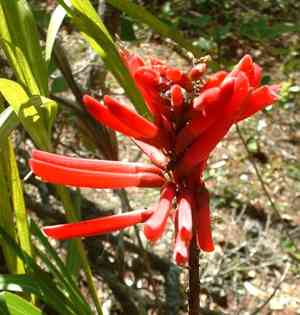
The Coral bean (Erythrina herbacea) is a striking plant known for its vibrant red flowers and thorny stems. It's considered half-hardy, meaning it can survive a mild frost but is susceptible to damage in harsh winter conditions. If you live in an area where temperatures frequently drop below freezing (0°C or 32°F), taking steps to protect your Coral bean during the winter months is essential for its survival and prosperity when the warmer weather returns.
Preparing Coral bean for Overwintering
When to Start Preparations
Initiating winter preparations for your Coral bean should commence in late autumn, several weeks prior to the first anticipated frost. This timeframe allows the plant to gradually adjust to changing conditions, ensuring a smooth transition into dormancy.
Pruning Techniques
Proper pruning can significantly impact the success of overwintering your Coral bean. Trim back dead or damaged branches to improve airflow and reduce the risk of disease. Also, cutting back the plant by one-third helps manage its size, making it easier to cover or move indoors if necessary.
Soil and Root Care
Healthy soil is crucial for a successful overwintering process. Ensure the Coral bean is planted in well-draining soil to prevent root rot. Adding a layer of mulch (about 5-10 cm or 2-4 inches) around the base can help insulate the roots and maintain a stable temperature.
Indoor Overwintering Methods
Choosing the Right Location Indoors
Finding an appropriate indoor location is vital for your Coral bean during the winter months. Select a cool, dry place like a basement or a garage where the temperature remains consistent (around 10-15°C or 50-60°F). Avoid areas with drafts or large temperature fluctuations.
Optimal Light Conditions
Even though the Coral bean will be dormant, it still requires some light. A bright, indirect light source is ideal. If natural light is limited, consider using a grow light to provide the necessary illumination without risking frost damage.
Temperature and Humidity Requirements
Maintaining the right temperature and humidity levels indoors is crucial. Keep the temperature between 10-15°C (50-60°F) and ensure humidity levels aren't too high to prevent mold growth. A dehumidifier can be helpful if you live in a particularly humid area.
Outdoor Overwintering Methods
Mulching and Insulation
For those who prefer to overwinter their Coral bean outdoors, mulching is a must. Apply a 5-10 cm (2-4 inches) thick layer of mulch around the base to provide insulation for the roots. You can use straw, leaves, or even compost.
Protective Coverings
Protective coverings like frost blankets or burlap can safeguard your Coral bean against frost. Ensure the covering is securely fastened to withstand winter wind and weather without damaging the plant.
Monitoring Weather Conditions
Keep a close eye on weather forecasts throughout the winter. When unusually cold weather is predicted, add extra insulation or coverings to your Coral bean. During milder spells, remove some insulation to prevent overheating and moisture accumulation.
Common Problems During Overwintering
Pest and Disease Management
Pests and diseases can still be problematic during winter. Check your Coral bean regularly for signs of infestations or fungal growth. Using a mild insecticidal soap can help deter pests, and maintaining proper humidity levels can prevent mold and mildew.
Signs of Stress and How to Address Them
Your Coral bean may show signs of stress such as wilting, yellowing leaves, or slowed growth. These issues can be addressed by adjusting water, light, and nutrient levels. Ensuring good airflow and occasional watering can keep the plant's stress levels in check.
Post-Winter Recovery for Coral bean
Gradually Reintroducing to Outdoor Conditions
As spring approaches, gradually reintroduce your Coral bean to outdoor conditions. Start by placing it outside for a few hours each day, progressively increasing the time until it's acclimated to outdoor temperatures. This process typically takes around two weeks.
Early Spring Care Tips
Once fully transitioned outdoors, give your Coral bean a good watering and, if necessary, a dose of balanced fertilizer. Prune any dead or damaged parts and remove any mulch or coverings used for protection during the winter.



