How to Overwinter Flame violet
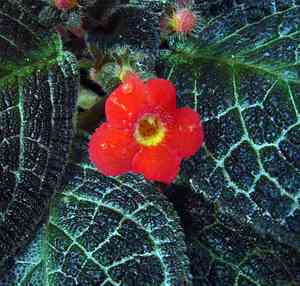
1
Flame violet flourishes optimally in temperatures ranging from 18-24°C (64-75°F).
2
Shield your Flame violet from cold air currents and direct heat sources in the colder months.
3
Frequent inspection for insects helps avoid pest problems with your indoor Flame violet.
The Importance of Overwintering Flame violet
The Importance of Overwintering Flame violet
Overwintering is vital for Flame violet as it's a delicate plant unable to withstand cold temperatures or frost. Originating from tropical areas, it needs conditions mirroring its natural habitat to stay healthy and vibrant through winter. By carefully managing its indoor setting, you can ensure your Flame violet survives and flourishes during colder periods, ready to bloom again with warmer weather.
Getting Your Flame violet Ready for Winter
Assessing Plant Health
Begin by evaluating your Flame violet's overall condition. Look for any indicators of stress, such as yellowing foliage, stunted development, or wilting. A healthy plant will better endure the indoor transition. Remove any weak or unhealthy parts to lessen disease and pest risks.
Pruning and Cleaning
Gently prune your Flame violet, removing any dead or damaged leaves and stems. This not only helps the plant conserve energy during winter but also encourages new growth. Clean the leaves with a damp cloth to remove dust and debris, which can impede photosynthesis and attract pests.
Checking for Pests and Diseases
Inspect your Flame violet for any signs of pests like aphids, spider mites, or mealybugs. It's crucial to address these issues before bringing the plant indoors, as pests can rapidly spread in a confined environment. Use an appropriate insecticidal soap or neem oil to treat any infestations.
Indoor Care for Flame violet During Winter
Optimal Light Conditions
Flame violet thrives in bright, indirect light. Position your plant near a window with filtered sunlight, or use a grow light to supplement natural light if needed. Avoid placing the plant where it will be exposed to direct sunlight, as this can scorch the leaves.
Temperature Requirements
Maintain a consistent indoor temperature between 18-24°C (64-75°F) to keep your Flame violet comfortable. Avoid any sudden temperature changes, and keep the plant away from cold drafts or direct heating sources. Using a thermometer to monitor the room temperature can be very helpful.
Watering and Humidity
Flame violet prefers a moderate watering schedule. Water the plant when the top 2.5 cm (1 inch) of soil feels dry to the touch. Be careful not to overwater, as this can lead to root rot. Maintain high humidity levels, around 50-70%, by placing a humidifier nearby or placing the plant on a tray filled with water and pebbles.
Fertilizing Tips
During the winter, Flame violet doesn't require as much fertilization. You can feed your plant with a balanced, water-soluble fertilizer diluted to half-strength every 4-6 weeks. Over-fertilizing can cause salt buildup in the soil, which can harm the roots.
Monitoring Flame violet Health in Winter
Recognizing Signs of Stress
Watch for signs of stress such as drooping leaves, discoloration, or leaf drop. These can indicate that your plant needs more or less water, better light, or a different humidity level. Addressing these signs early can prevent more serious problems.
Adjusting Care as Needed
Be prepared to adjust your care routine based on how your Flame violet responds to its indoor environment. If the plant seems too dry, increase humidity or slightly adjust the watering schedule. If it's getting leggy, consider adding a grow light.
Common Questions About Flame violet Overwintering
Can Flame violet Survive Frost?
No, Flame violet cannot survive frost. It is a tender plant that needs to be kept indoors in a warm environment when temperatures drop below 15°C (59°F) to prevent damage to its delicate foliage and roots.
How to Prevent Pests Indoors?
To prevent pests indoors, regularly inspect your Flame violet for any signs of trouble. Keep the plant clean and dust-free, and use insecticidal soap or neem oil as a preventative measure. Ensuring good air circulation around the plant can also help deter pests.



