How to Overwinter Abyssinian banana
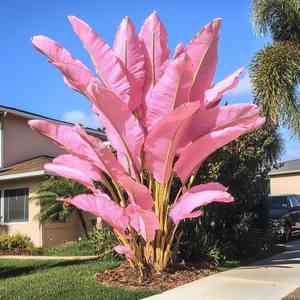
1
The Abyssinian banana is highly sensitive to frost and needs proper care to survive winter.
2
This plant can be stored indoors in a cool, dark place during the winter months.
3
Regularly check the storage area for mold and pests to ensure the health of your Abyssinian banana.
Understanding Abyssinian banana Frost Sensitivity
Understanding Abyssinian banana Frost Sensitivity
The Abyssinian banana (Ensete ventricosum) is a stunning ornamental plant beloved for its large, lush leaves and tropical appearance. However, it is known to be frost-tender, meaning it does not tolerate cold temperatures well. Temperatures that dip below 10°C (50°F) can cause significant damage to the plant, and prolonged exposure to frost can be fatal. Therefore, it is crucial to take steps to protect your Abyssinian banana as winter approaches.
Prepping Abyssinian banana for Winter
When to Start Preparation
Begin preparing your Abyssinian banana for winter as soon as temperatures start to consistently drop below 15°C (59°F). Typically, this is in late autumn before the first frost.
Essential Tools and Materials
You'll need the following items to successfully overwinter your Abyssinian banana: Pruning shears Garden gloves Burlap or frost cloth Large container or pot with drainage holes High-quality potting mix
Pruning and Cleaning the Plant
Begin by pruning any damaged or yellowing leaves, as well as any excess foliage to reduce the size of the plant. Be sure to use clean, sharp pruning shears to make clean cuts. Once pruned, gently clean the plant to remove any dirt or pests that might be hiding on the leaves or stems.
How to Store Abyssinian banana Indoors
Ideal Indoor Conditions
The best location to store your Abyssinian banana during winter is in a cool, dark area such as a basement or garage. The temperature should be between 5°C and 10°C (41°F to 50°F) to mimic the dormant conditions.
Storage Containers and Location
If the plant is large, place it in a spacious container filled with potting mix. Ensure the container has drainage holes to prevent waterlogging. Position the container in an area where the plant will not be disturbed.
Monitoring and Watering During Storage
While in storage, your Abyssinian banana will require minimal care. Check the soil moisture every few weeks, and only water sparingly if the soil becomes completely dry. Avoid overwatering as this can lead to root rot.
Tips for Replanting Abyssinian banana in Spring
Assessing Plant Health Post-Winter
Come spring, inspect your Abyssinian banana for any signs of damage or disease. Remove any dead or damaged foliage before reintroducing the plant to the outdoors.
Gradual Reintroduction to Outdoor Conditions
Gradually acclimatize your Abyssinian banana to outdoor conditions by placing it outside for a few hours each day, increasing the duration over a week to prevent shock.
Best Time for Replanting
Once the risk of frost has completely passed and nighttime temperatures consistently stay above 15°C (59°F), it's safe to replant your Abyssinian banana in its outdoor location.
Common Overwintering Challenges and Solutions
Addressing Mold and Mildew
Mold and mildew can be common issues during storage. To prevent this, ensure proper airflow around the plant and avoid excessive moisture. If you notice mold, remove the affected areas and treat with an appropriate fungicide.
Preventing Pests During Storage
Pests can also pose a problem for dormant plants. Check the plant regularly for signs of pests, such as webbing or small insects, and treat with an appropriate pesticide if necessary.



