How to Overwinter Chinese water chestnut
1
Chinese water chestnuts flourish in moist, marshy environments, setting them apart from typical garden flora.
2
Keep soil temperatures above 5°C (41°F) during storage to avoid tuber decay.
3
In harsh winter regions, move Chinese water chestnuts inside to preserve suitable growing environments.
What Are Chinese water chestnuts?
What Are Chinese water chestnuts?
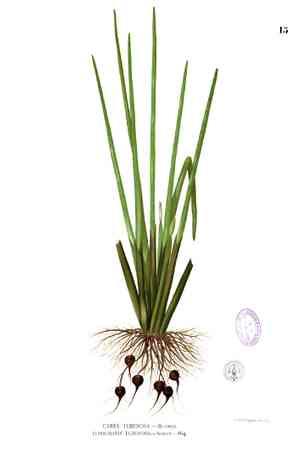
The Chinese water chestnut is an intriguing aquatic plant primarily cultivated for its edible corms, frequently utilized in Asian cooking. Unlike actual nuts, these corms possess a crisp texture and a subtly sweet taste. They flourish in moist, boggy environments such as rice paddies or water gardens, making them an excellent choice for gardeners aiming to diversify their plant collection. Their sturdy, grass-like foliage and submerged growth habit also lend an exotic flair to any water feature.
Preparing Chinese water chestnuts for Winter
When to Start Preparing
Initiate your winter preparations once temperatures consistently drop below 10°C (50°F). This timing ensures your plants are well-protected before any severe frost arrives, providing ample time to implement necessary care measures.
Tools and Materials Needed
Spades or garden forks for lifting corms. Trays or mesh bags for air circulation. Peat moss or sand for storage. Thermometers for temperature monitoring. Mulch for insulating outdoor plants.
Step-by-Step Preparation Guide
Carefully extract the corms from the soil using a spade or garden fork. Clean the corms by removing excess soil, but avoid washing them. Examine the corms for any indications of rot or pest damage and discard affected ones. Place the clean corms in trays or mesh bags for ventilation. Fill the trays or bags with peat moss or sand to maintain moisture. Store the corms in a cool, dark location where temperatures stay above 5°C (41°F) but below 10°C (50°F).
Chinese water chestnut Winter Care in Different Climates
Mild Winter Regions
In warmer climates, you can leave Chinese water chestnuts in the ground with adequate mulching. The mulch serves as an insulating layer, safeguarding the corms from light frost.
Severe Winter Regions
In areas with harsh winters, it is advisable to dig up the corms and store them indoors. Follow the storage guidelines to keep the corms viable until warmer weather returns.
Indoor Winter Care
For those able to bring plants indoors, keep potted corms in a cool, dark area. Maintain moderate moisture levels in the soil to mimic their natural environment. Avoid placing them near heat sources, as this can dehydrate the corms.
Reviving Chinese water chestnuts After Winter
Assessing the Plants
Once the risk of frost has passed, inspect the stored corms for any signs of spoilage. Discard any that show mold, rot, or have significantly shriveled. Healthy corms should be firm and free from any unpleasant smell.
Preparing for New Growth
Replant the healthy corms into their outdoor growing area or water garden. Reintroduce them to their preferred conditions gradually, ensuring they receive sufficient sunlight and water. Your Chinese water chestnuts should resume growth as temperatures increase.
Additional Tips for Chinese water chestnut Overwintering Success
Monitoring for Pests and Diseases
Regularly check stored corms for any indications of pest infestations or diseases. Early detection can prevent widespread damage and ensure your plants remain healthy.
Optimizing Soil Conditions
When replanting, use loose, well-draining soil enriched with organic matter. This promotes robust growth and minimizes the risk of root-related issues during the growing season.



