How to Overwinter Thorny olive
1
Thorny olive tolerates frost well and can endure winter conditions with appropriate attention.
2
Trimming Thorny olive in late fall aids its energy preservation throughout the colder period.
3
Applying mulch is crucial for Thorny olive to maintain hydration and shield its roots from freezing.
Caring for Thorny olive in Winter
Caring for Thorny olive in Winter
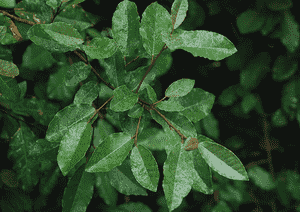
The Thorny olive (Elaeagnus pungens) is a robust evergreen shrub recognized for its dense, spiky branches and silvery-green foliage. As an outdoor specimen, it possesses considerable hardiness, yet it still requires specific attention during the colder months. Understanding its particular requirements ensures your plant not only endures but flourishes when temperatures drop. Our aim is to guide you through practical steps for successfully overwintering your Thorny olive.
Winter Preparation for Your Thorny olive
Pruning Advice
Begin your winter preparations with a thorough pruning session in late autumn. Sanitize your pruning tools to prevent disease transmission, and remove any dead or crossing branches. This allows the plant to conserve energy and focus on sustaining vital structures during the dormant winter period. Light trimming also enhances air circulation, which is crucial for preventing fungal problems.
Soil and Mulch Application
Soil condition is vital during winter. Ensure your Thorny olive is situated in soil that drains well to prevent root rot. Apply a generous layer of organic mulch, approximately 5-10 cm (2-4 inches) thick, around the plant's base. Mulch aids in retaining soil moisture and insulates the roots from freezing temperatures.
Pre-Winter Watering
As winter approaches, reduce watering, but do not allow the soil to become completely dry. Provide your Thorny olive with a deep watering session before the first frost occurs. This helps the plant store necessary moisture and lessens the risk of water stress throughout winter.
Common Winter Issues Affecting Thorny olive
Pest Management
Winter can present challenges for pest control. Regularly inspect your Thorny olive for indications of pest infestation, particularly scales and aphids that can conceal themselves in the woody stems. Utilize horticultural oil or insecticidal soap as a preventive measure.
Fungal Ailments
Winter dampness can promote fungal diseases such as powdery mildew or root rot. To mitigate this, ensure adequate airflow around the plant and avoid overhead irrigation. If you observe signs of fungus, treat it promptly with appropriate fungicides.
Yellowing Foliage
Leaves turning yellow can indicate a nutrient deficiency or water stress. During winter, this issue might arise from overwatering or poor soil aeration. Reduce watering and confirm your soil has good drainage. A balanced slow-release fertilizer can also help maintain leaf vitality.



