How to Overwinter Echeveria runyonii
1
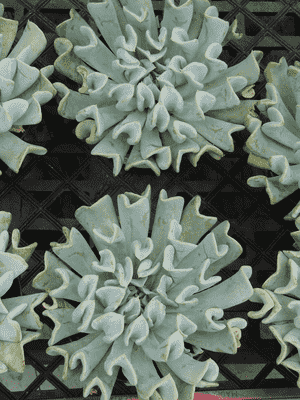
Echeveria runyonii thrives in strong, diffused light.
2
Before bringing your Echeveria runyonii inside for the colder months, check it for insects.
3
Optimal growth occurs when temperatures are kept steadily between 15°C and 24°C (59°F and 75°F).
What Does Overwintering Echeveria runyonii Entail?
What Does Overwintering Echeveria runyonii Entail?
Overwintering Echeveria runyonii means providing a warm, stable environment to shield the plant from cold temperatures. Hailing from warm regions, Echeveria runyonii is not naturally equipped to endure freezing conditions. Overwintering involves moving the plant from outdoors to indoors, ensuring it maintains its vibrant health through the cold season. The aim is to replicate its ideal growing conditions as closely as possible indoors.
Ideal Indoor Conditions for Overwintering
Temperature Requirements
Maintaining the correct temperature is vital for Echeveria runyonii. Aim for a range between 15°C and 24°C (59°F to 75°F). Temperatures that are too low can stress the plant, slowing its growth, while excessive heat can cause dehydration and wilting. A consistent, moderate indoor temperature is essential for a successful overwintering process.
Light Exposure
Echeveria runyonii thrives in bright, indirect sunlight. Position your plant near a south or west-facing window where it can receive ample light. If natural light is scarce, consider using a grow light to supplement the illumination. Sufficient light is necessary to preserve the plant's vibrant color and prevent etiolation, or the stretching of the plant towards the light source.
Humidity Levels
Balancing humidity is important for Echeveria runyonii. These succulents prefer low humidity levels, ideally around 40% to 50%. High humidity can lead to fungal issues and rot, so ensure proper air circulation in the room. Using a dehumidifier can help maintain optimal humidity levels, especially in areas with naturally high humidity.
Preparing Echeveria runyonii for Indoor Transition
Inspecting for Pests
Before bringing Echeveria runyonii indoors, inspect it thoroughly for pests such as aphids, mealybugs, and spider mites. Remove any visible pests using a gentle insecticidal soap or neem oil. This step is crucial to prevent infestations from spreading to other indoor plants.
Soil and Pot Considerations
Echeveria runyonii requires well-draining soil to prevent root rot. Consider repotting your plant with a cactus or succulent mix that provides excellent drainage. Ensure the pot has drainage holes to allow excess water to escape, keeping the roots healthy and aerated.
Watering Adjustments
With the reduced light and growth rate indoors, adjust your watering schedule accordingly. Water your Echeveria runyonii sparingly, allowing the soil to dry out completely between waterings. Overwatering can lead to root rot, a common issue in indoor settings.
Common Issues During Overwintering and How to Address Them
Dealing with Low Light
Low light can cause Echeveria runyonii to stretch and lose its compact form. To combat this, use grow lights to mimic the sun's spectrum and provide adequate lighting. Position the grow lights about 15-30 cm (6-12 inches) above the plant for optimal light exposure.
Handling Overwatering
Overwatering is a common risk when overwintering Echeveria runyonii. The key is to water only when the soil is completely dry. Use a moisture meter to check the dampness of the soil, and always ensure the pot has good drainage to prevent water from pooling.
Managing Pest Infestations
Indoor environments can still attract pests. Regularly check your Echeveria runyonii for signs of infestation. Treat any issues promptly using insecticidal soaps or neem oil. Maintaining a clean and well-ventilated space will help reduce the likelihood of pest problems.



