How to Overwinter Lipstick echeveria
1
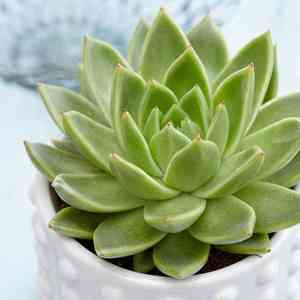
Lipstick echeveria is a semi-hardy succulent, requiring shelter from harsh freezing temperatures.
2
Confirm your Lipstick echeveria receives a minimum of 6 hours of sun each day, including in colder seasons.
3
Excessive watering is a frequent error when tending to succulents in winter; irrigate infrequently.
What is Overwintering and Why is it Important?
What is Overwintering and Why is it Important?
Overwintering involves safeguarding plants from harsh winter conditions to ensure their survival and vigor in the subsequent growing season. This is particularly vital for plants like Lipstick echeveria, which are semi-hardy succulents. While they can endure some cold, extreme temperature shifts and prolonged frost exposure can severely harm or even kill them. By overwintering your Lipstick echeveria, you provide the necessary care and environment to keep them healthy and robust throughout the winter months, ready to flourish again in spring.
Preparing Lipstick echeveria for Overwintering
Checking the Plant Health
Before initiating the overwintering process, it's crucial to evaluate the health of your Lipstick echeveria. Look for indications of illness, such as discolored foliage or unusual marks. Healthy plants are more likely to endure winter with minimal problems. Remove any unhealthy or damaged plant parts, ensuring the plant's energy isn't wasted on non-viable sections.
Cleaning and Pruning
Cleanliness is essential for your plant's well-being. Clear away any debris, dead leaves, or spent flowers from the plant's base. Pruning your Lipstick echeveria not only enhances its appearance but also promotes better air circulation, reducing the risk of fungal diseases. Use sterilized pruning shears to carefully trim any leggy or overgrown parts.
Inspecting for Pests
During preparation, thoroughly examine your Lipstick echeveria for pests like aphids, mealybugs, or spider mites. These pests can inflict significant damage if they go unnoticed and untreated during the winter months. Eliminate any visible pests and consider using a mild insecticidal soap or neem oil to protect your plant from an infestation.
Best Practices for Indoor Overwintering
Choosing the Right Location
When overwintering Lipstick echeveria indoors, location is paramount. Select a spot that closely replicates the plant's natural habitat. Ideally, position it near a south-facing window to receive ample daylight, while avoiding direct drafts from windows or doors, as these can cause temperature fluctuations.
Lighting Requirements
During winter, the sun's intensity is weaker, and daylight hours are shorter. Ensure your Lipstick echeveria receives at least 6 hours of sunlight daily. If natural light is insufficient, supplement with a grow light to provide the necessary intensity and duration of light. This will help prevent the plant from becoming elongated and weak.
Temperature Control
Maintain a consistent temperature for your indoor Lipstick echeveria. Ideally, keep the room temperature between 13°C and 24°C (55°F and 75°F). Avoid placing the plant near heat sources like radiators or vents, as sudden temperature changes can stress the plant. Stable temperatures will help your succulent remain healthy.
Watering Guidelines
Overwatering is a common error when caring for succulents in winter. During this period, Lipstick echeveria require significantly less water. Only water when the soil is completely dry, approximately once every 3-4 weeks. Ensure the pot has adequate drainage to prevent waterlogging, which can lead to root rot.
Outdoor Overwintering Tips
Using Protective Covers
If you opt to overwinter your Lipstick echeveria outdoors, employing protective covers like frost cloths or old bed sheets can shield your plant from frost. These covers help maintain a slightly warmer temperature around the plant, but ensure they're removed during the day to allow sunlight penetration.
Mulching Techniques
Applying a layer of mulch around the plant's base can provide insulation against cold temperatures. Use organic mulch like straw or pine needles, which can help retain soil moisture and regulate temperatures. Be careful not to let the mulch touch the stem directly, as this can lead to rot.
Creating a Microclimate
Another outdoor strategy is to establish a microclimate by positioning your Lipstick echeveria in a sheltered spot, such as near a south-facing wall. The wall absorbs heat during the day and releases it at night, providing a more stable temperature for your plant. Group other potted plants around it to create an additional thermal buffer.
Common Mistakes and How to Avoid Them
Overwatering
Overwatering, particularly during winter, can be detrimental to Lipstick echeveria. Excessive water can lead to root rot and other fungal issues. To prevent this, drastically reduce your watering frequency. Remember, it's better to underwater than overwater during the colder months.
Inadequate Light
Sufficient light is crucial even during winter. Insufficient light can cause your Lipstick echeveria to stretch and become leggy. If natural light is limited, use artificial grow lights to ensure your plant receives enough light to maintain its compact shape and vibrant color.
Temperature Fluctuations
Sudden temperature changes can shock your Lipstick echeveria. To avoid this, keep your plant away from heat sources, drafts, and open windows. Consistency is key; maintaining a stable, moderate temperature will keep your plant stress-free and healthy.



